
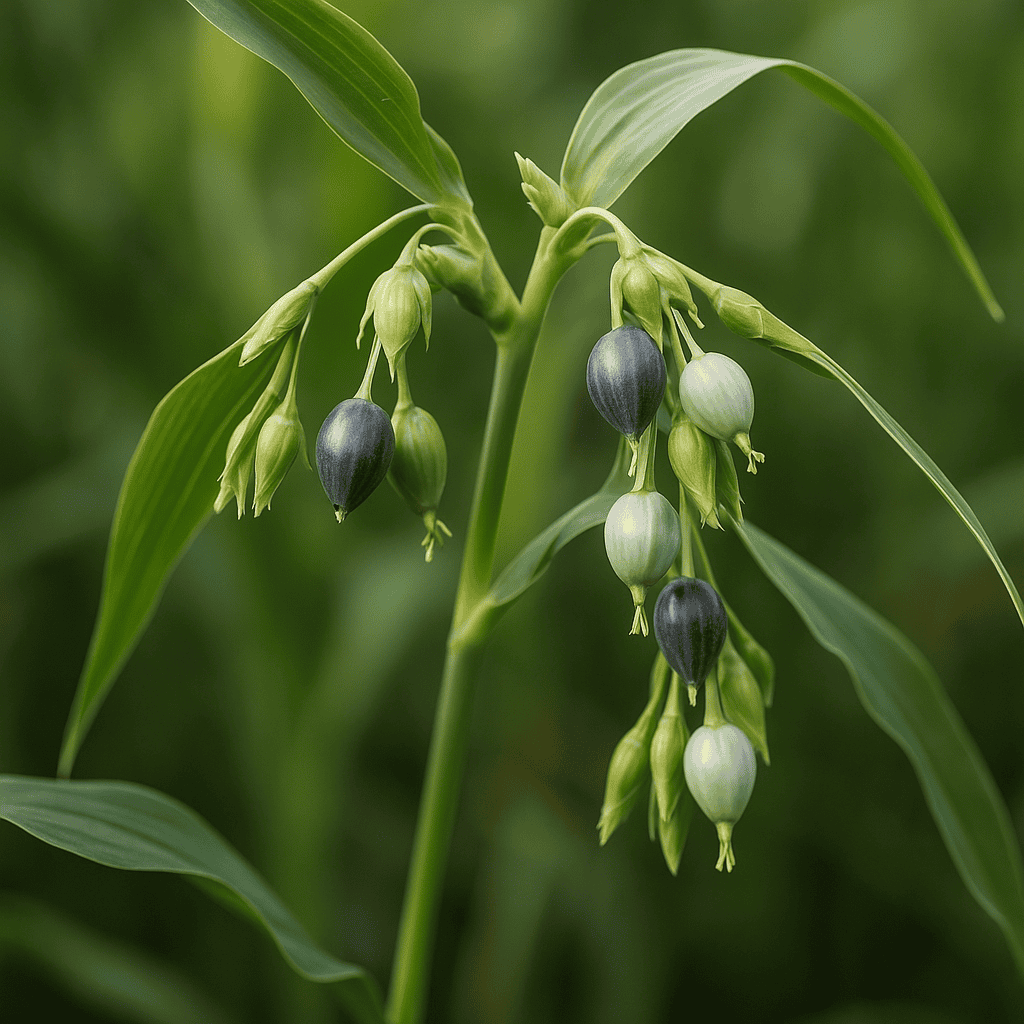
Ancient Beads, Modern Meaning
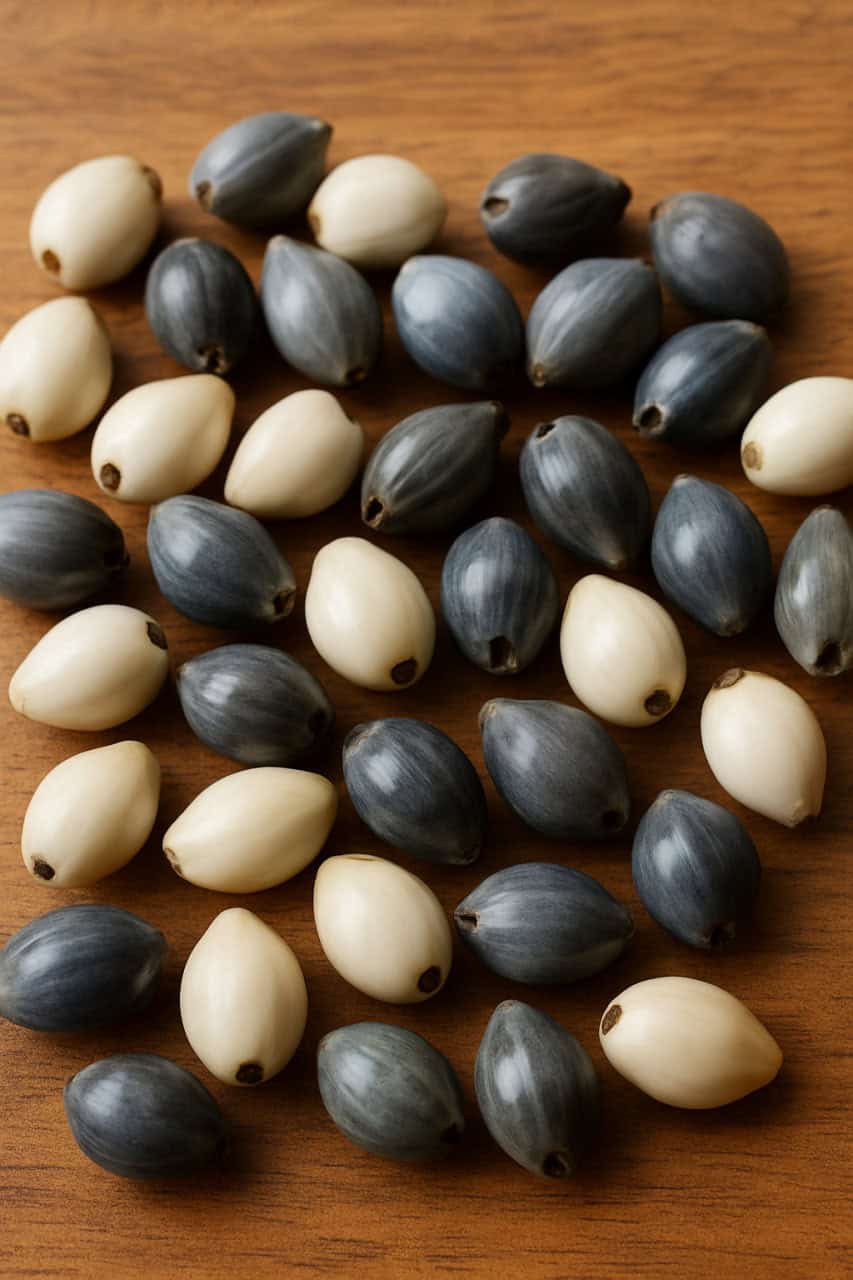
For centuries, Central Asian communities cultivated Tears of Joseph, a plant whose naturally shiny, hard, and aesthetically beautiful seeds were used in crafting jewelry, prayer beads, and decorations. Over time, this tradition faded, and the use of the plant nearly disappeared.
Today, Rano is leading an effort to bring it back to life. She has started growing the plant on a larger scale, selecting varieties that suit the climate of the Fergana Valley. The seeds are now being turned into modern, elegant jewelry—offering a beautiful blend of history and innovation.
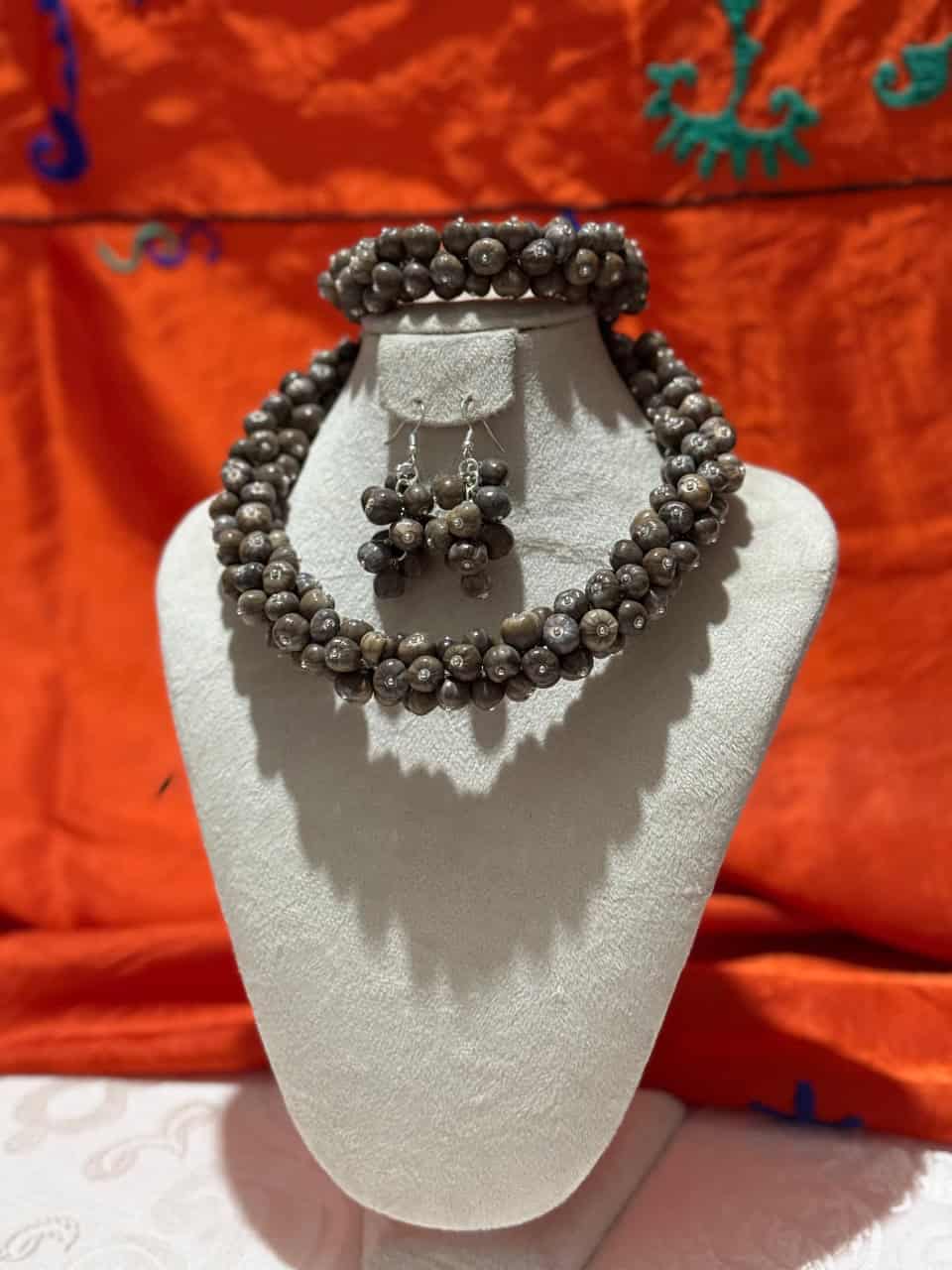
Synergy of Nature and Sustainability
In her new collection, “Ornament to the Eye Tear,” Rano uses seeds from this plant to create bracelets, necklaces, and earrings. As she puts it, “Each piece is created in synergy with nature.”
What makes this initiative even more powerful is that the jewelry is handmade by women with disabilities, giving them the opportunity to express creativity, earn income, and participate actively in society.
Tradition, Science, and Innovation in One
This project beautifully combines nature, scientific experimentation, traditional craftsmanship, and contemporary design. Rano aims to inspire more women to engage in sustainable, creative work—crafting environmentally friendly jewelry that celebrates Central Asia’s rich heritage.
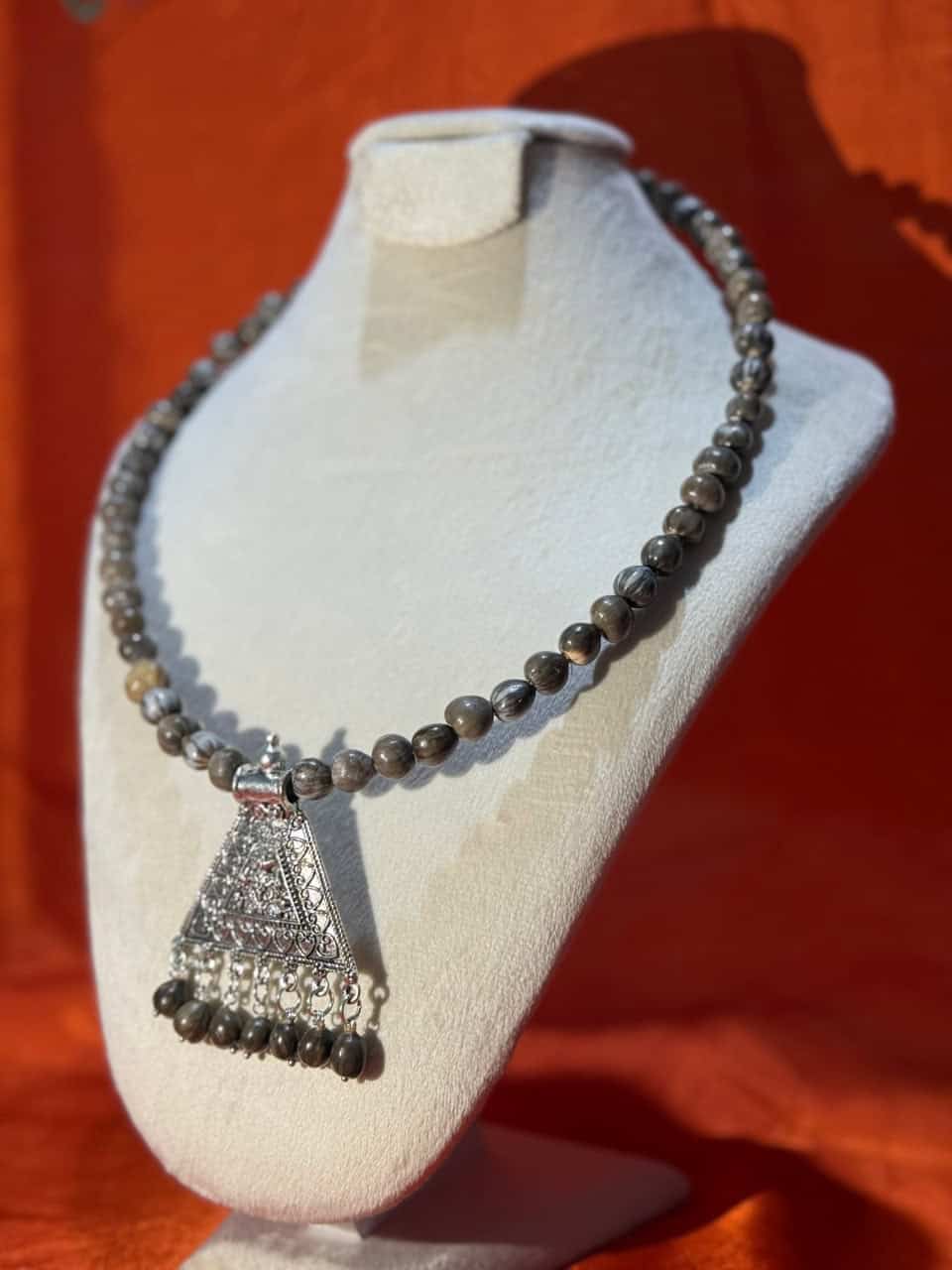
More Than Jewelry
Tears of Joseph is more than just a plant. It’s a symbol of resilience, culture, and harmony with nature. Rano’s work supports biodiversity, empowers women, and turns ancient knowledge into wearable beauty. Her efforts represent a positive change that brings together tradition, sustainability, and social impact.
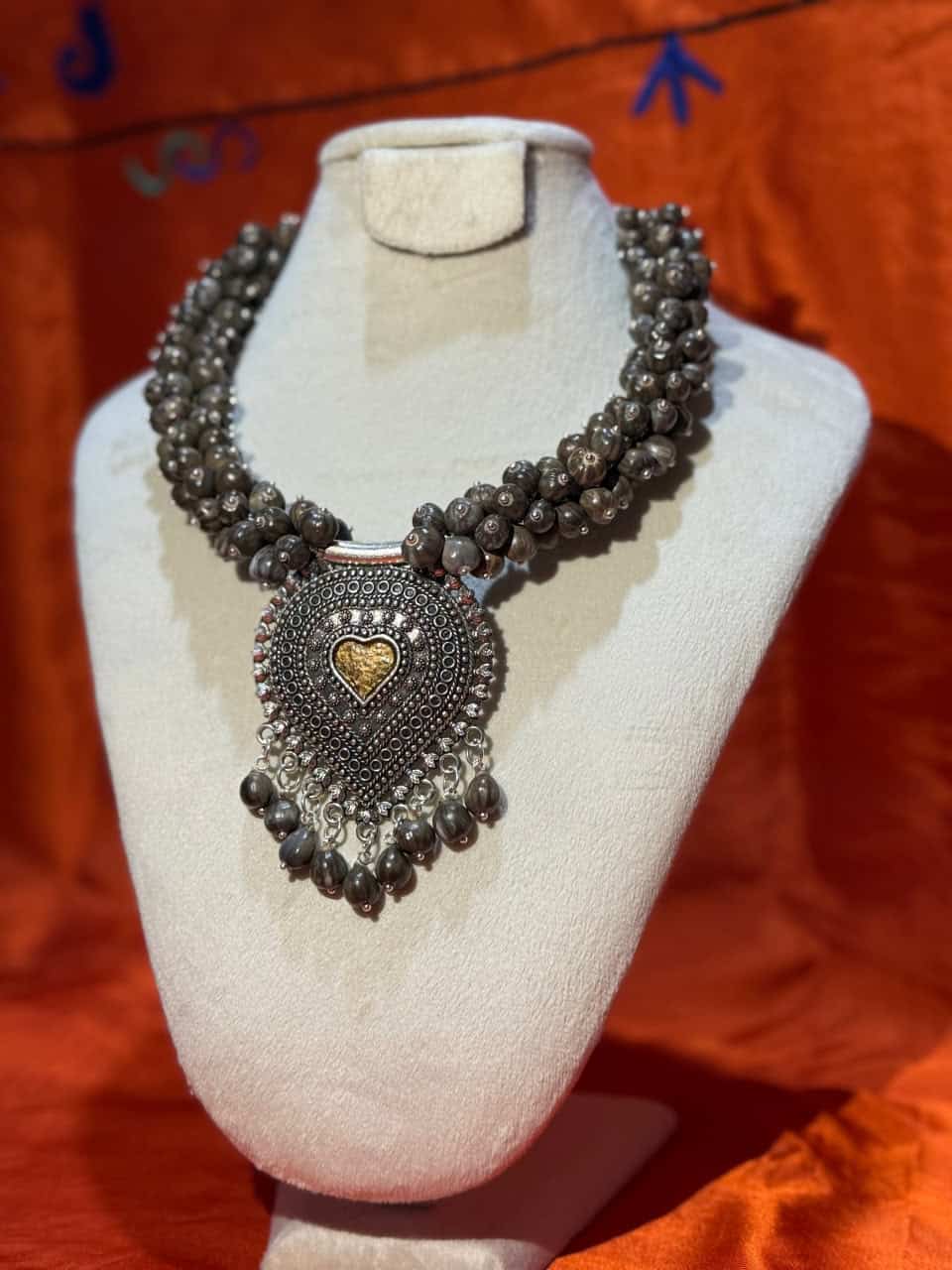
Looking Ahead
Through her work, Rano also hopes to establish a broader movement that connects artisans across the region—those who are interested in preserving traditional techniques while adapting them for contemporary markets. By encouraging community-based cultivation of Tears of Joseph, she envisions creating a sustainable local supply chain that benefits rural economies, strengthens cultural identity, and invites global appreciation for Uzbekistan’s rich artisanal legacy.
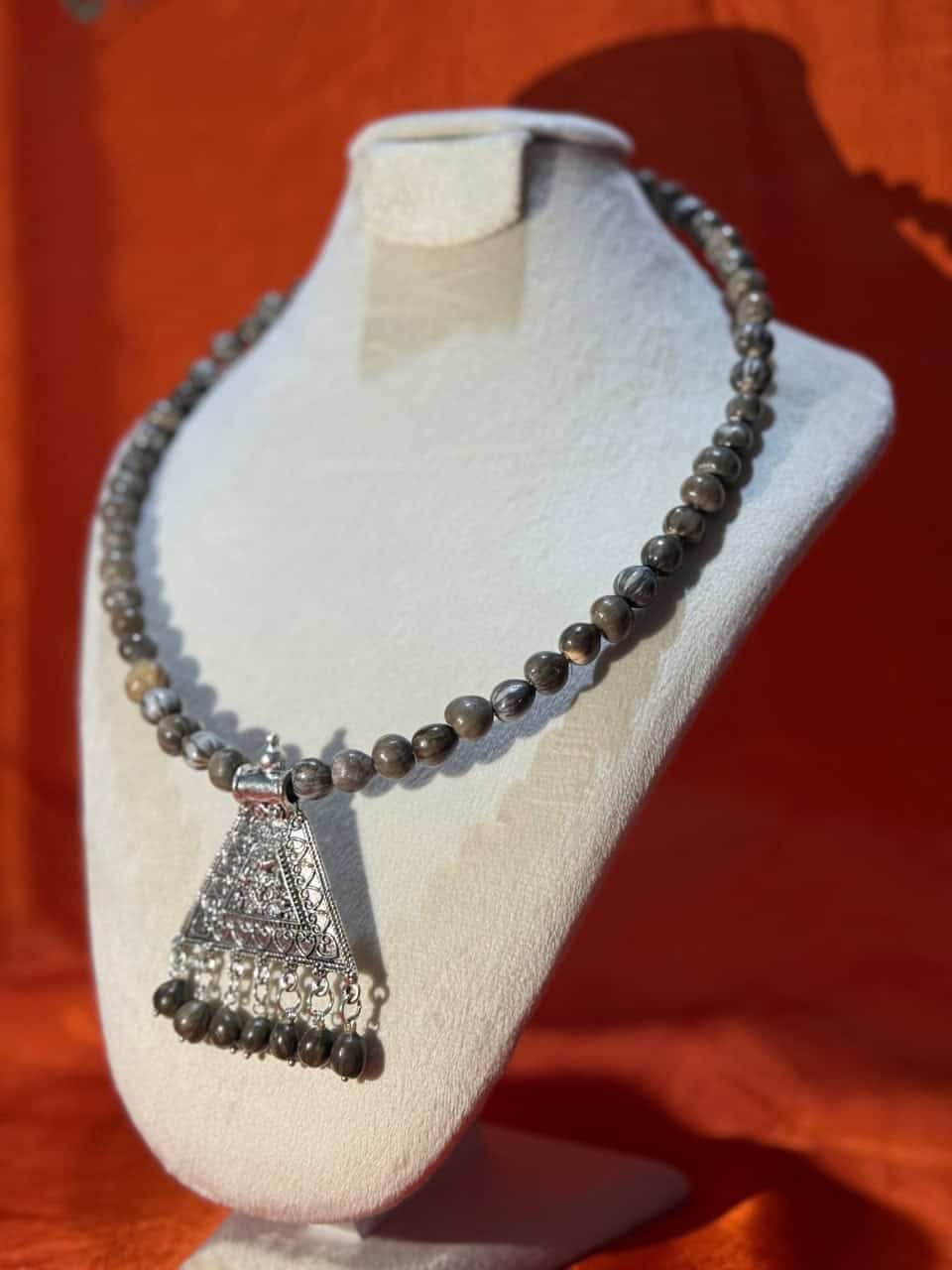
Cultivating a Legacy for Future Generations
By reintroducing Tears of Joseph into daily use, Rano is not only preserving a cultural legacy but also educating younger generations about the value of sustainable craftsmanship. Workshops and mentorship opportunities are being planned to involve youth in the entire process—from planting to harvesting, from designing to creating. In doing so, she is planting more than seeds in the soil—she’s planting the spirit of resilience, creativity, and ecological responsibility in the hearts of tomorrow’s artisans.
CTN was initiated with the support of Deutsche Gesellschaft für Internationale Zusammenarbeit (GIZ) GmbH on behalf of the Federal Ministry for Economic Cooperation and Development (BMZ).
Last Seen