
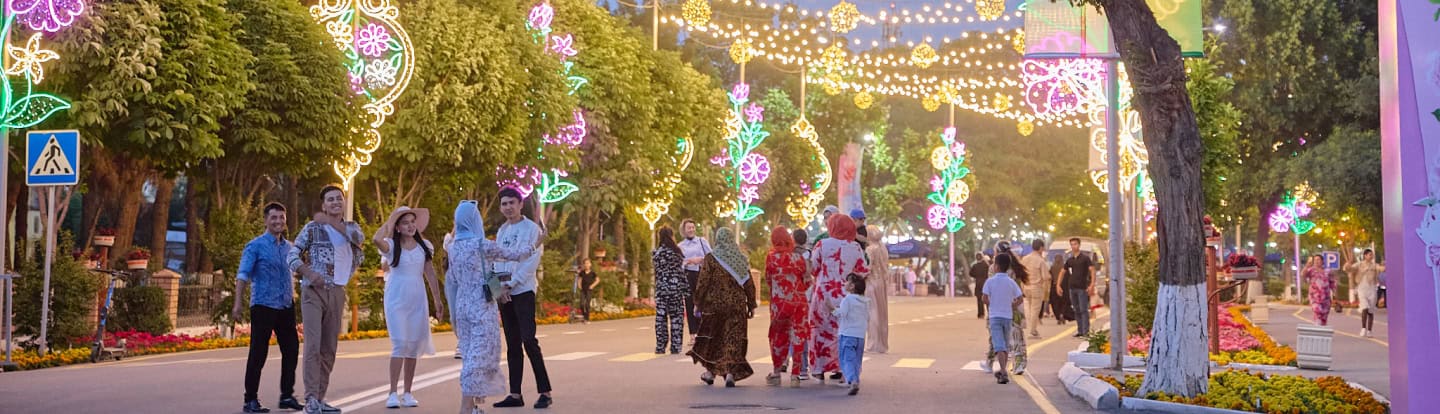
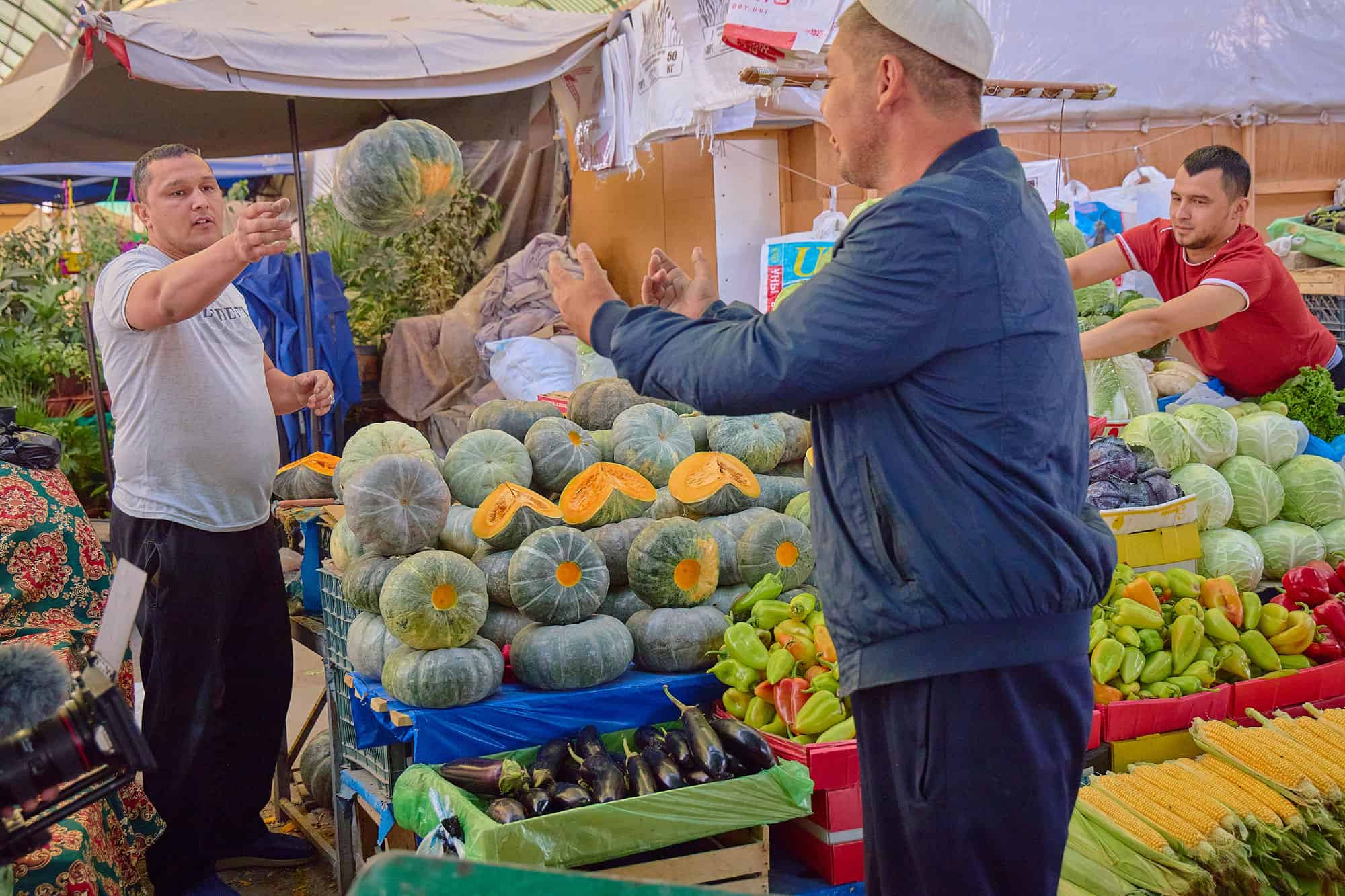
Fergana Valley’s regional capital cities of Fergana, Namangan and Andijan are great places to explore in and of themselves with their large boulevards, expansive parks, museums, historical sites, vibrant markets and much more. While these are big, modern cities there is still a warm and hospitable feel to them that make visitors feel welcome. Don’t be surprised if you are invited for tea or ice cream in a park or given some local fruit to try from the market.
These cities have all the travel services that you might need for your trip — transportation hubs (airports and train stations), local tour companies, tour guides, accommodation, diversity of restaurants and cafes, transportation services (private and public) and more.
We share below in our Fergana Valley city guides all our recommended places to visit in Andijan, Fergana and Namangan, as well as day trips to nearby handicraft centers, archeological sites, cultural heritage places, and natural attractions. In this way, you can enjoy the diversity of experiences around the Fergana Valley with the comforts of a big city. Check out our CTN Recommended Routes that include visits in Fergana, Andijan and Namangan.

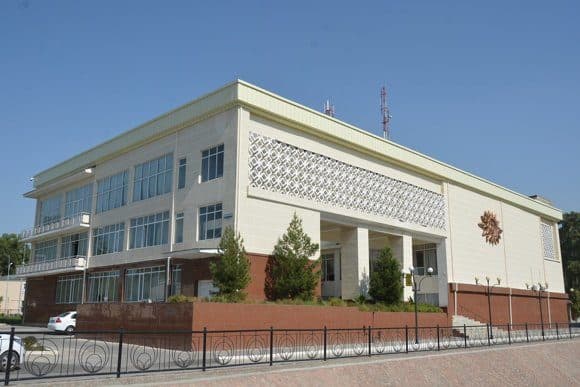

Fergana City is a young city in comparison to the other ancient cities in Fergana Valley. It was founded in 1876 after the Kokand Khanate was incorporated into the Russian Empire or Russian Turkestan. Located just 20 kilometers from the ancient city of Margilan, it was originally called “New Margilan” and eventually was called Fergana in 1924. It was a Russian colonial and military outpost with a large fortress occupying the center and large roads built from this that are still the main city boulevards today.
Today, Fergana City is the capital of Fergana Region and Fergana Valley’s third largest city, but it is known for its friendliness and hospitality. It is a green city with wide, tree-lined streets and beautifully landscaped parks. It has a large variety of restaurants, cafes, accommodation and other services.

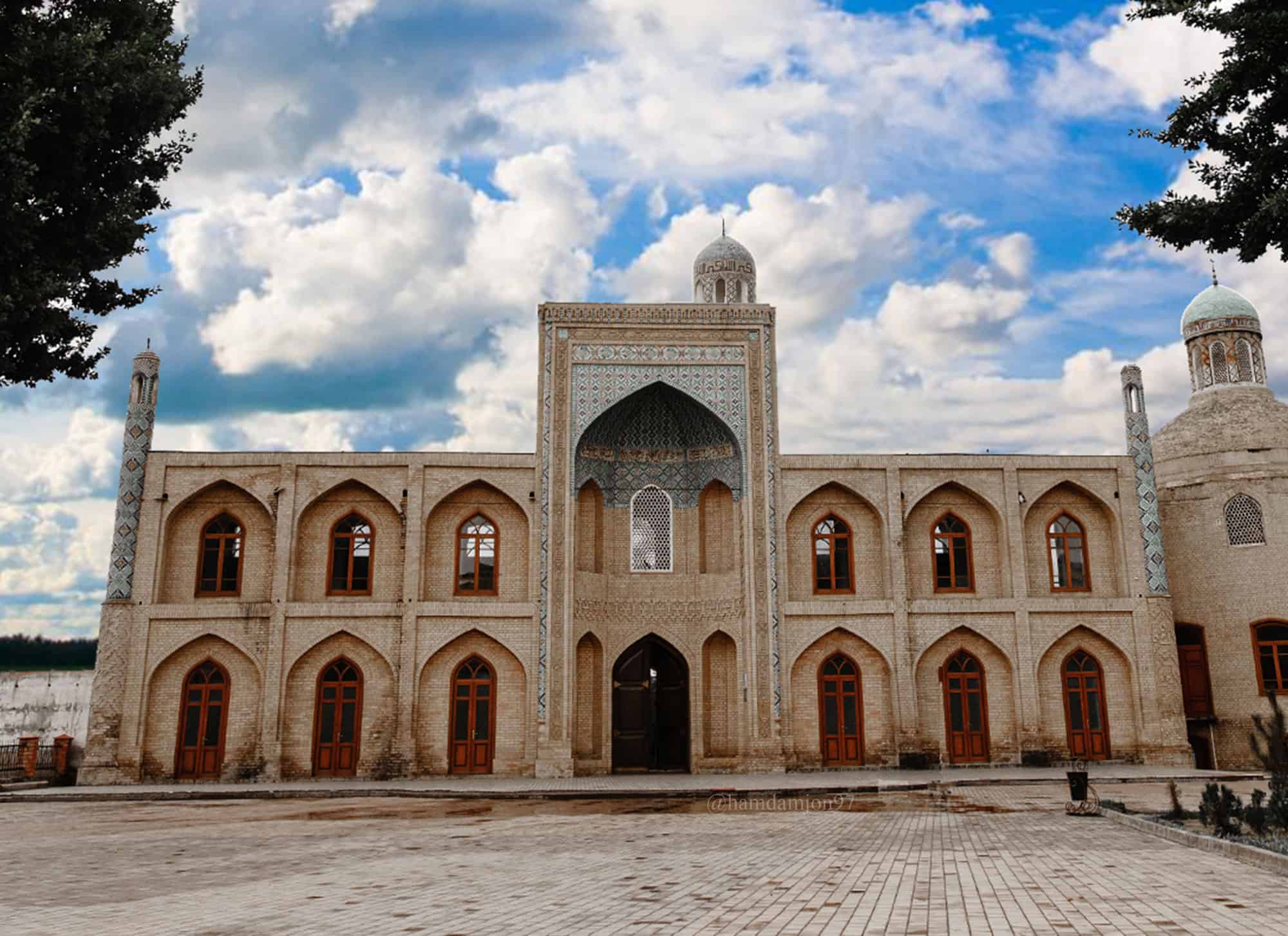
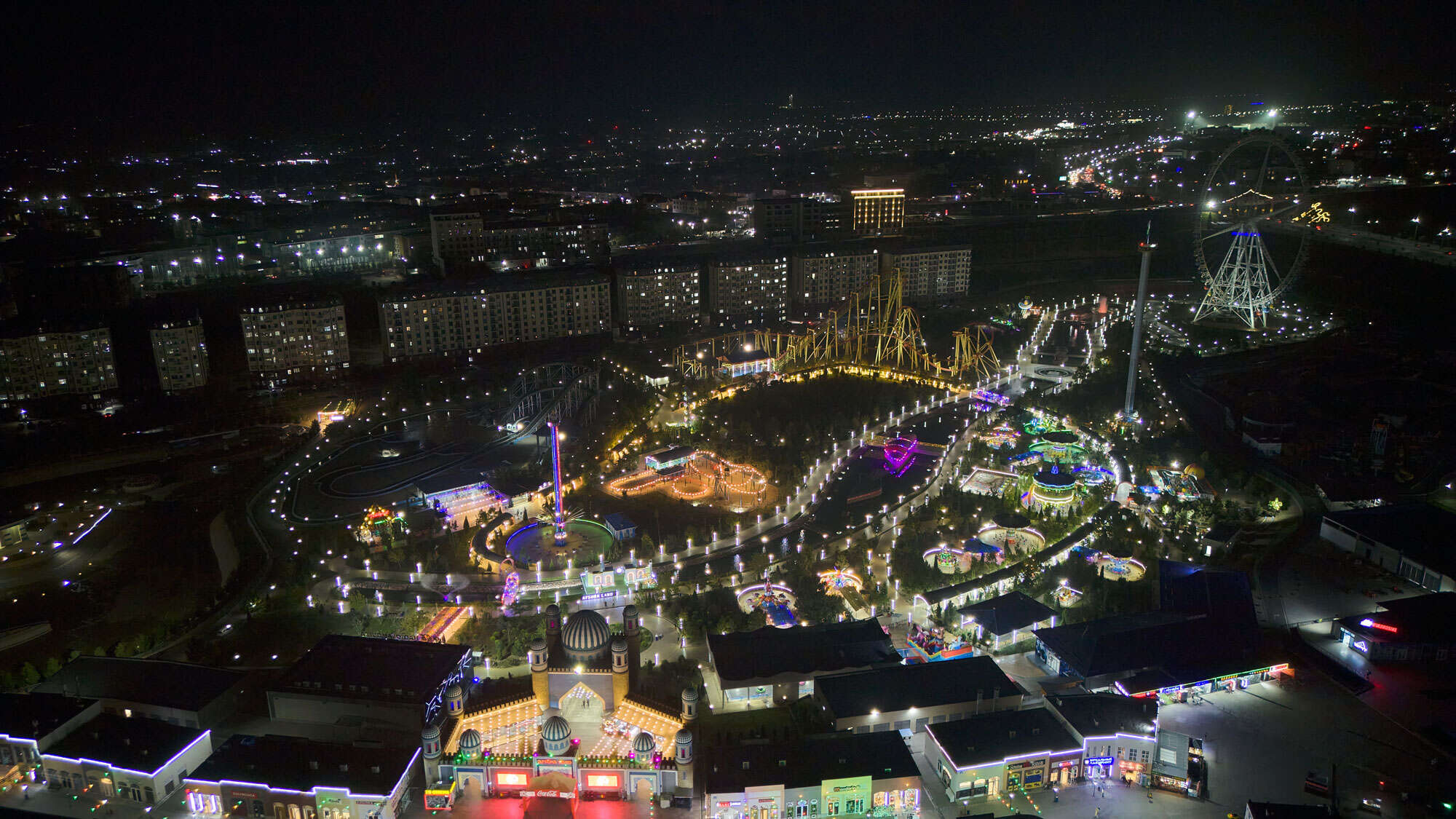
Namangan’s name comes from the phrase “Namak Kan,” which means “salt mine” in Persion. While archaeologists have found traces of ancient villages in the area, Namangan became a city in 1610 and 10 years later became the ancient center of Fergana Valley when Aksikent was destroyed by an earthquake in 1620.
Namangan has always been known as a city of crafts with weavers, potters, blacksmiths, and jewelers, as well as a strong agricultural center. Today, Namangan is Uzbekistan’s second largest city with a population of over 500,000 people. It is a big, modern city that offers a diversity of accommodation, food and other services.
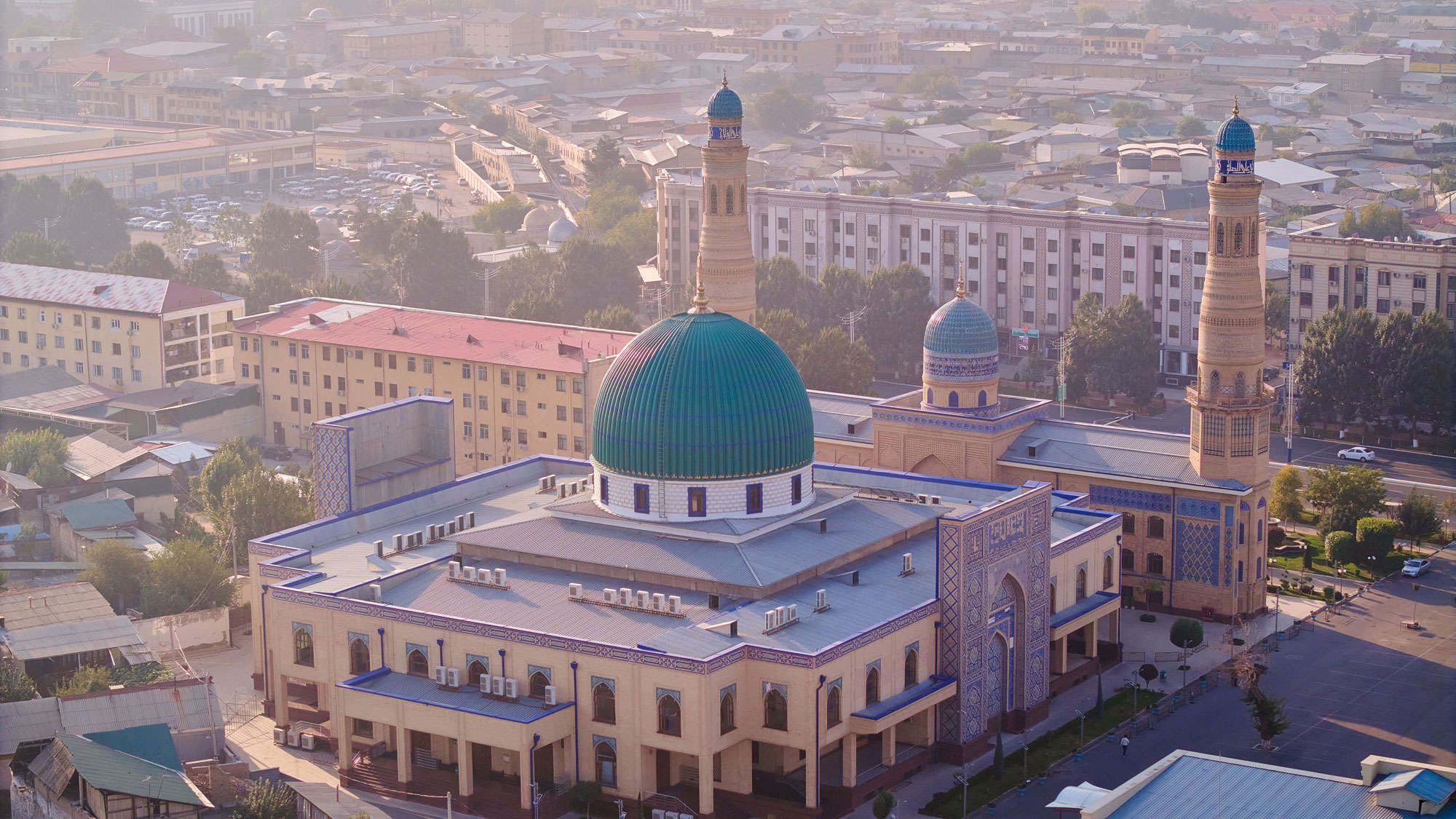
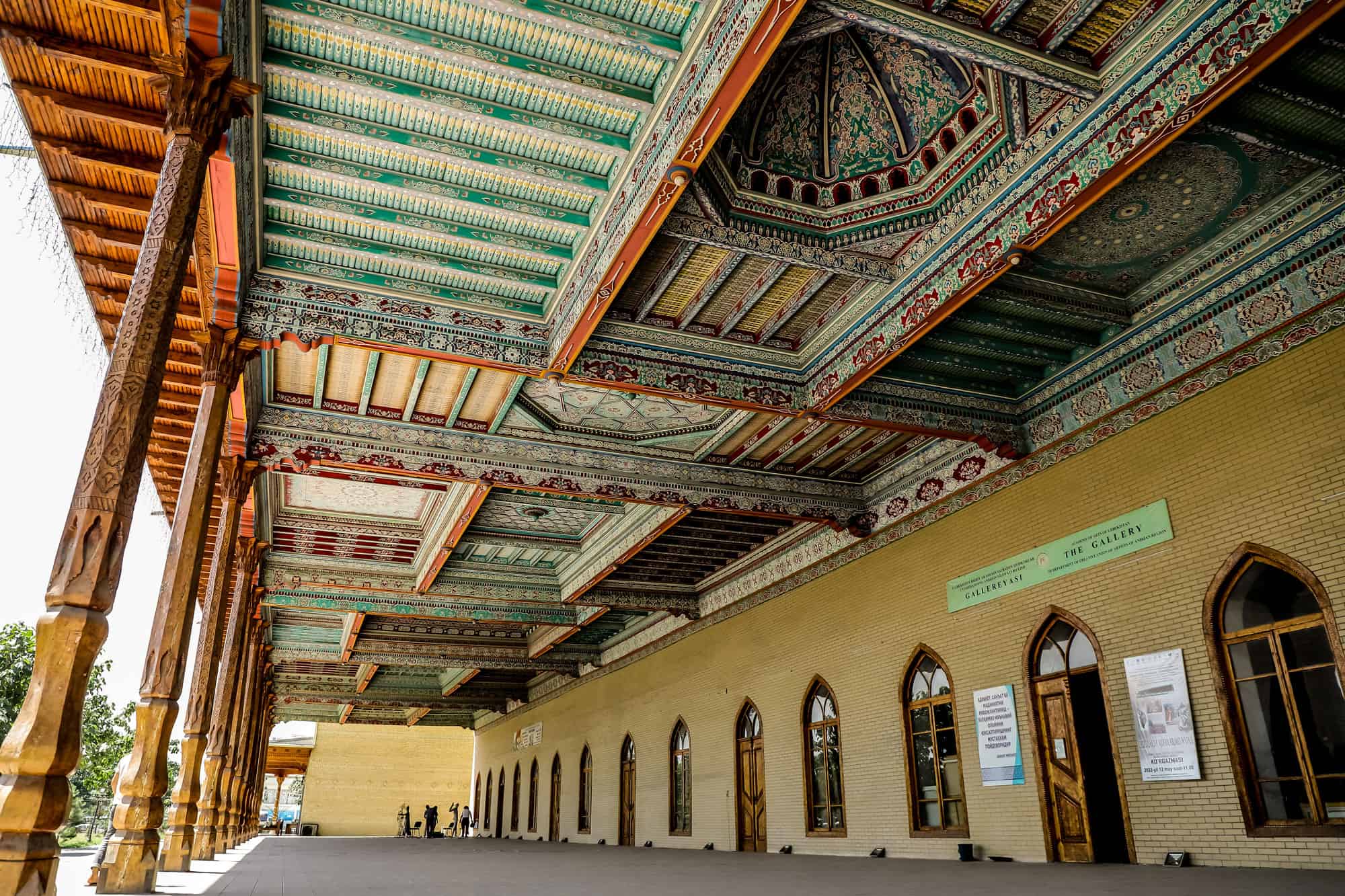
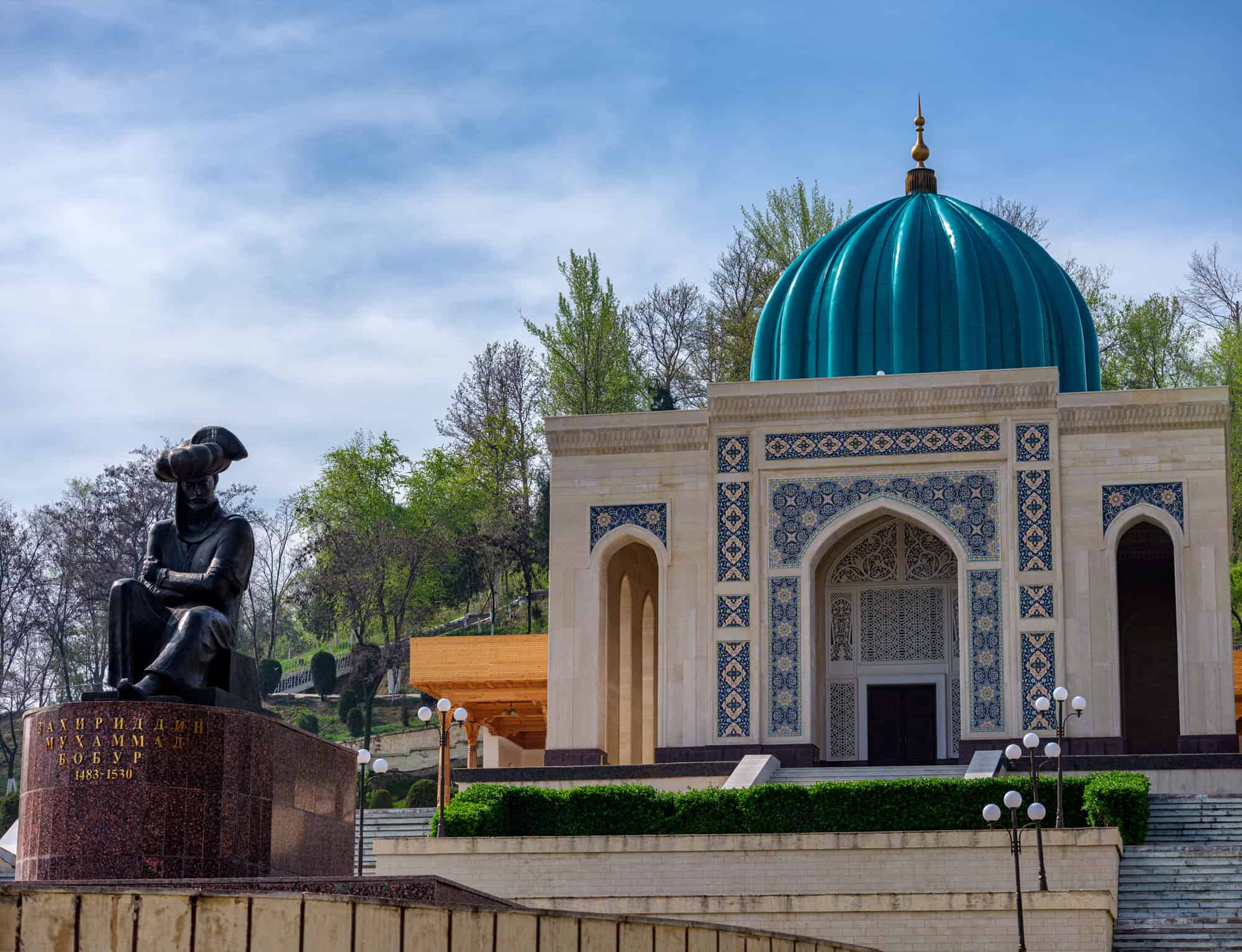
Andijan is one of the oldest cities in Uzbekistan as it over 2,500 years old. Its rich history includes being a key city on the Silk Road and in the 14th century during the reign of Amir Temur, Andijan was a hub for science, culture and economy. A large earthquake in 1902 destroyed much of the city so many of the sites today were rebuilt or built after this time.
Although Andijan is a bustling modern city today, it is still considered one of the best places to see and experience traditional Uzbek culture. Located not far from the border with Kyrgyzstan and Osh, Andijan is a popular place to stop over on the way to or from Kyrgyzstan.