
This Fergana Valley CTN Recommended Route introduces you to the highlights and hidden gems in all of Uzbekistan’s Fergana Valley, from visiting historical sites to meeting some of the region’s most renowned artisans. This route explores Fergana, Namangan and Andijan Regions and can be adjusted based on the amount of time you have and whether you are continuing your travels to Kyrgyzstan or returning to Tashkent.
Recommendation: Work with one of our Fergana Valley CTN member tour operators or tour guides to help you organize your trip. They can assist with customizing your itinerary, organizing visits to artisans, arranging transportation and accommodation, and many other services. At a minimum, we recommend hiring a private driver as not all places are easily accessible by public transport or shared taxi.
Note: Visiting artisans and their studios requires prior booking or reservation.
Length: 6 days
Fergana Valley CTN Recommended Routes help you discover immersive, off-the-beaten-path travel experiences along the Silk Road to help you plan your visit to Fergana Valley. Routes can be adjusted in terms of duration, sightseeing stops and artisan visits according to your interests, needs and schedule.


Kokand is the one of oldest cities in Uzbekistan and was a strategic trading point along on the Great Silk Road as well as the capital of the great Khanate of Kokand in the 18th – 19th. You can see this legacy and living history today by visiting the Khudoyar Khan Palace, Jami Mosque and handicrafts centre.
Transportation to Fergana Valley: We recommend that you to travel by morning train from Tashkent to Kokand (4 hours 15 minutes) to be able to enjoy the scenery and a relaxed journey.
Overnight in Kokand.
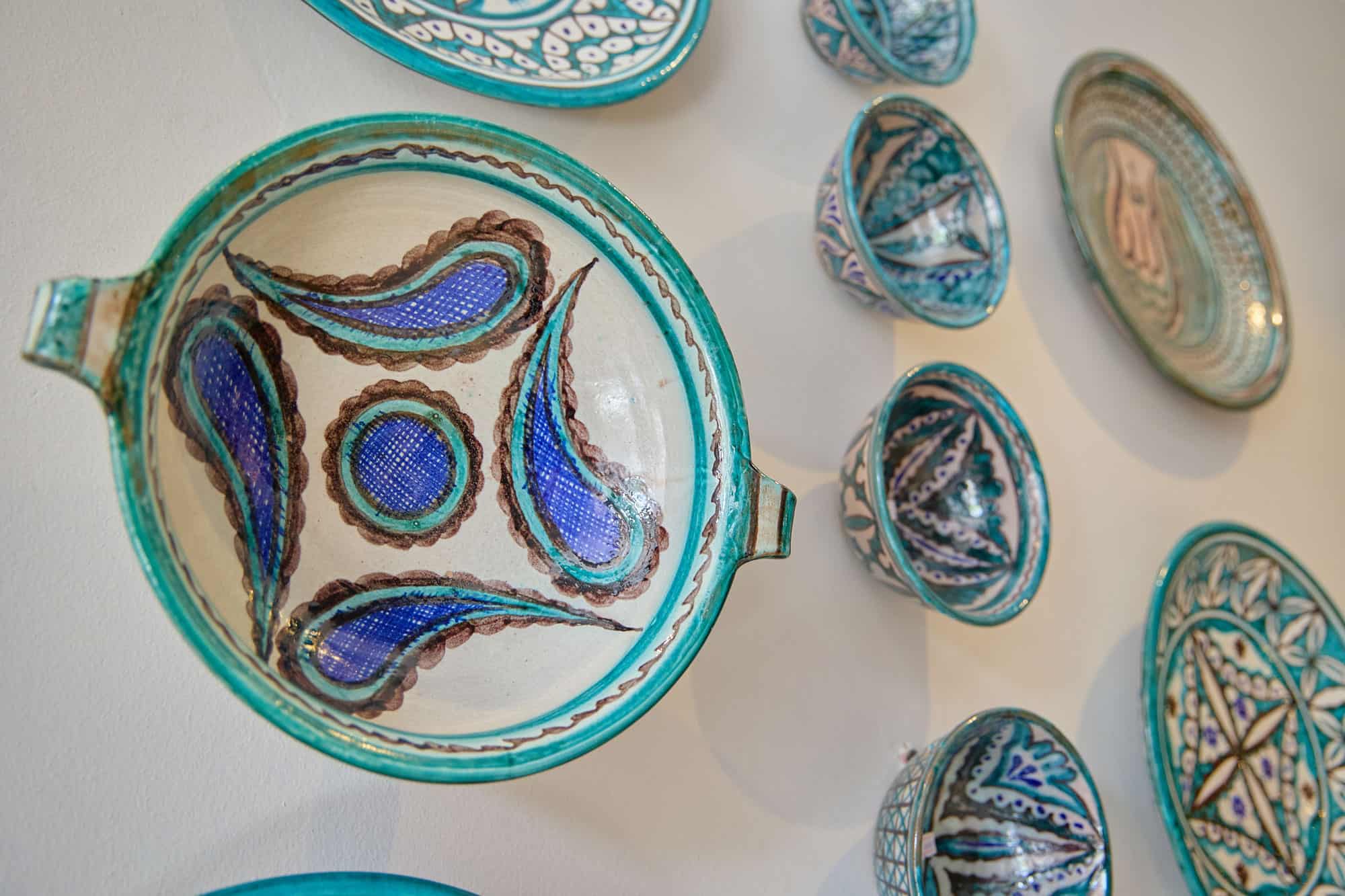
Morning: Transfer to Rishtan (1 hour), a town famous for its traditional handmade ceramics with dazzling designs.
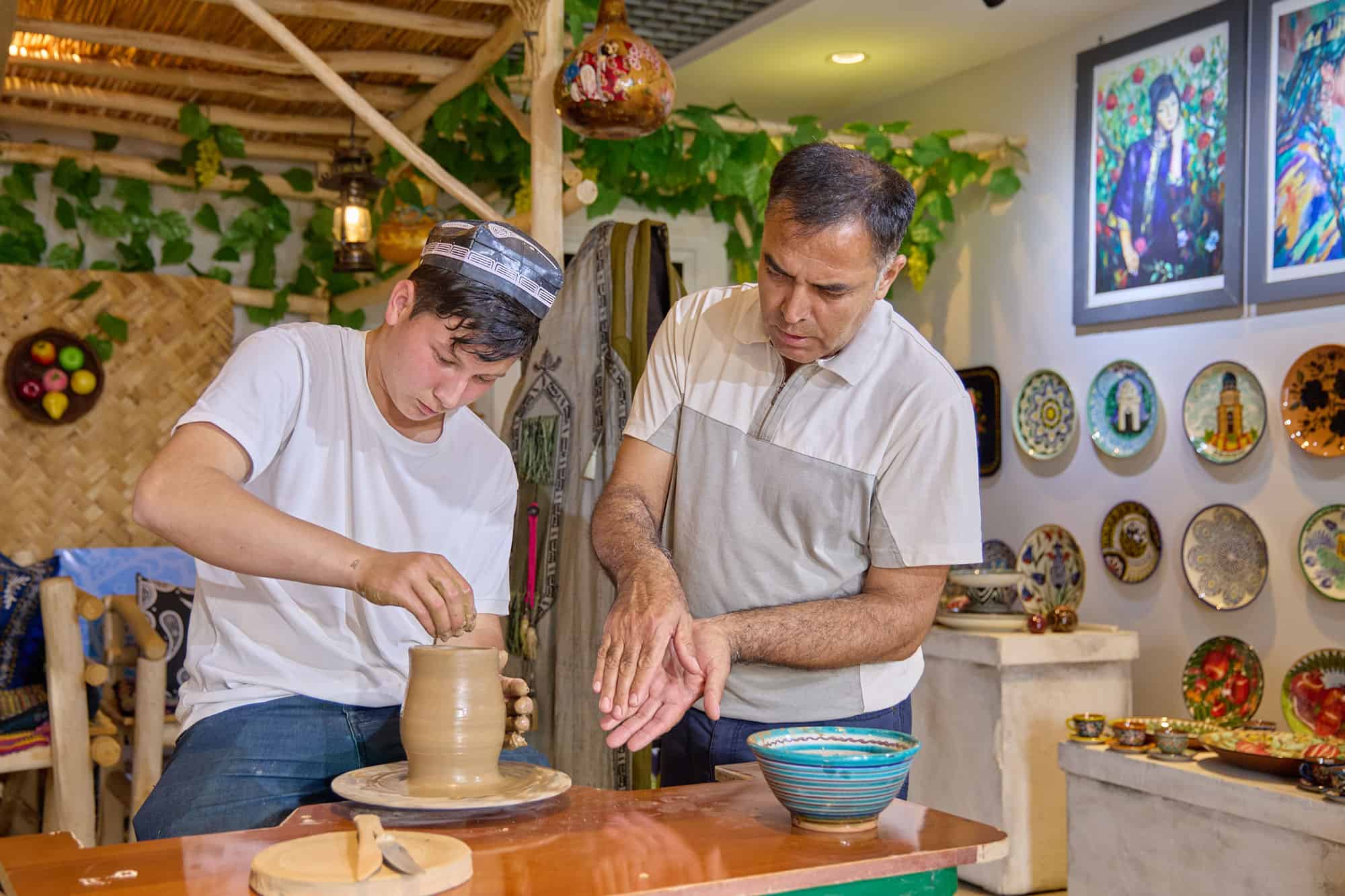
CTN Member Recommendation: Visit the studio of Diyorbek Nazirov at the International Ceramics Centre to learn about the history and tradition of Rishtan ceramics.
Afternoon: Transfer to Margilan (1 hour), an ancient city in the Fergana Valley famous for its silk making and silk goods for over a thousand years when it was a prominent stop along the Silk Road.
CTN Member Recommendations: Start learning about traditional silk making and ikat at the “Margilan Crafts Development Centre” at the beautiful 19th-century Said Akhmad Khoja Madrassa run by CTN member Rasuljon Mirzaakhmedov who is a 9th generation ikat fabric designer. Visit the different CTN artisans of Fergana Region, including fashion designers (Khayrutdin Zaynudinov in Kuvasoy, Begoyim Creates in Fergana City), leather works (El-Nur Leather in Fergana City), embroidery/suzani (Nargiza Ahralobna in Margilan), jewellery (Aydina Collection 777).
Sunday recommendation: If you are in Margilan on a Sunday, be sure to visit the bustling Kumtepa Bazaar for a feast of the senses with rows of traditional fabrics, handicrafts, spices, fruits and vegetables.
Accommodation: Stay at CTN member Ikat House in Margilan


Transfer to Andijan City (1.5 hours) and take a walking tour of the old town fresh market, craftsmen alley, Devanaboy Mosque, and Registan with its museum and handicraft shops. Visit the workshop of Mirzabakhrom Abduvahabov, a 15th generation master potter who is continuing on the traditions of Andijan-style handmade ceramics.
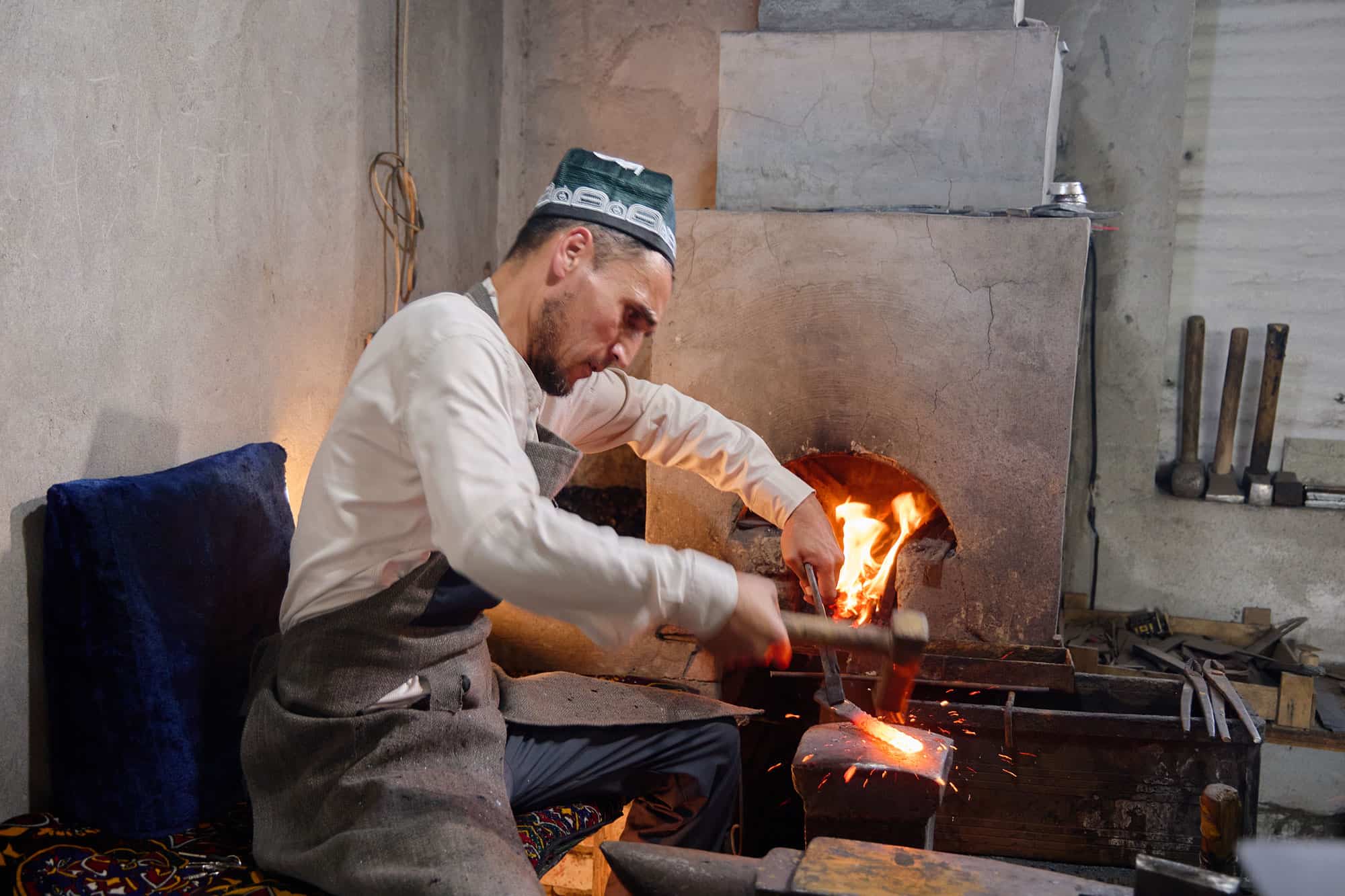
CTN Member Recommendation: Visit the workshop of Muzaffar Umarov, a 10th generation knife master, in Shakhrikhan (about 45 minutes from Andijan City) to learn about the traditional techniques and legends behind these beautiful handmade knives.
Accommodation: Stay at CTN Member Uzbechka Hotel in Andijan
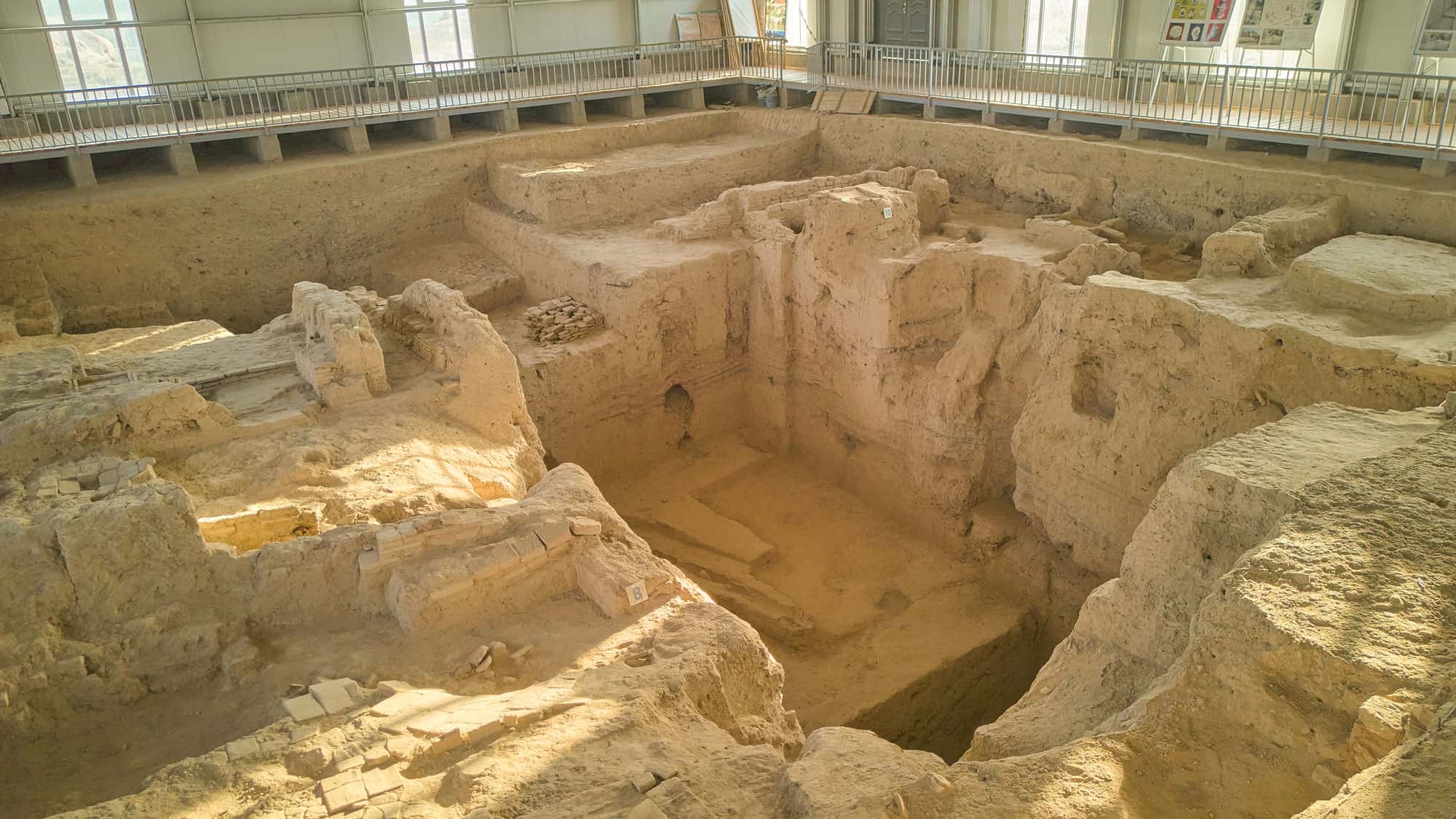
Transfer to Namangan City (2 hours) with a stop at the archaeological site of Aksikent. Dating back to the 3rd century BC, Aksikent developed into a trading center and manufacturing hub that became one of the largest and most significant cities in the Fergana Valley by the 10th century.
If you visit between November and March, stop by nearby Shahand Halva to see how halva is made.
Explore Namangan City with some tea in a traditional chaxanna in Babur Park, a trip to the colourful Chorsu Bazaar or a visit to the Mulla Kyrgyz Madrassa and Khoja Amin Mausoleum.
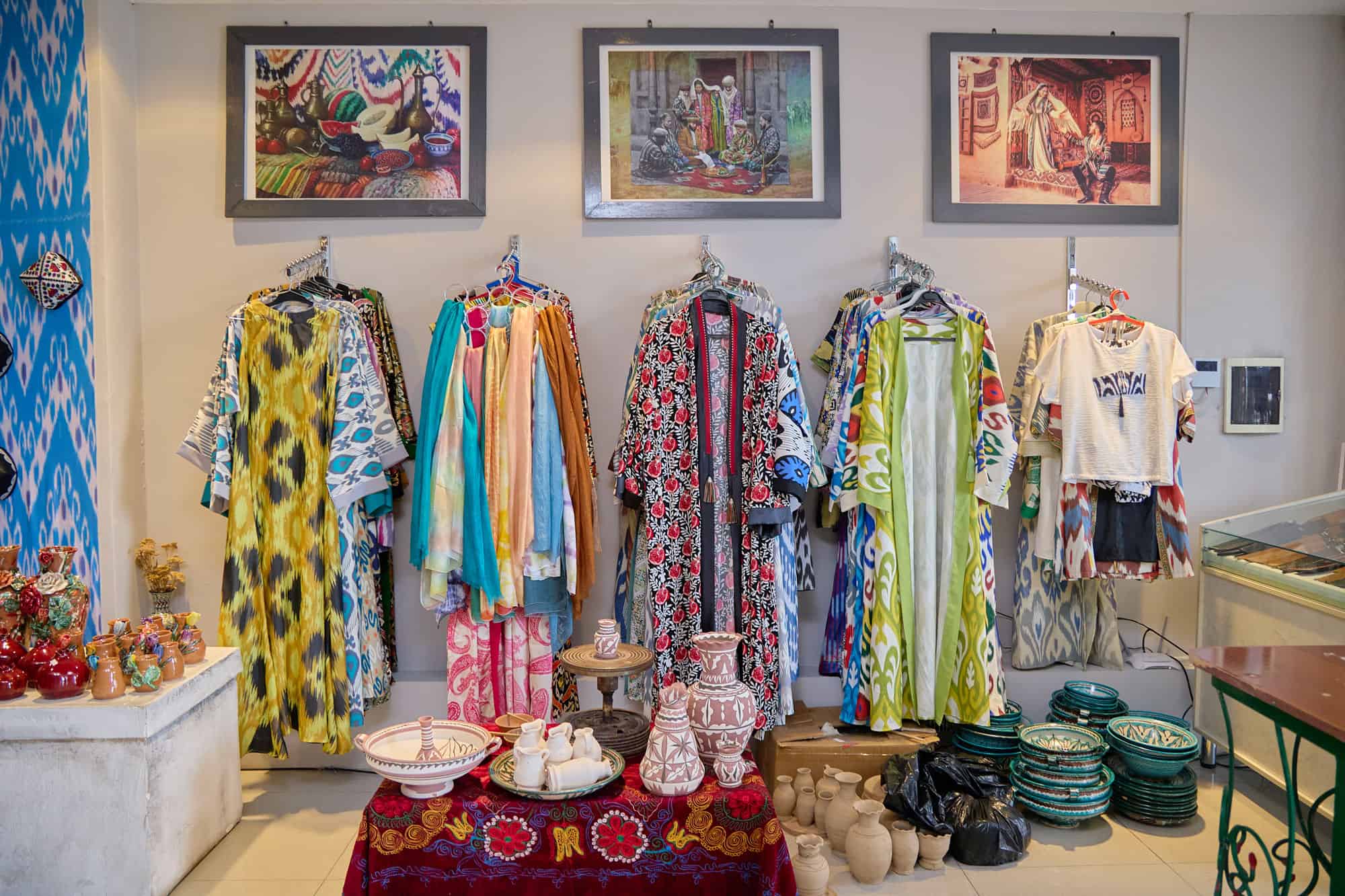
CTN Member Recommendation: Visit Silk Granat, the wonderful handicraft shop of CTN member Marina Djabbarova that offers high-quality ceramics, Ikat, and more, all sourced from Fergana Valley artisans. Stop by her café nearby at Legends Park where you can also find the biggest Ferris wheel in the area.
Accommodation: Stay at CTN Member Atlas Hostel in Namangan
Travel by car from Namagan to the beautiful little town of Gurumsaray (1 hour) and visit CTN member Buvayev V. Sodiqovich, a prominent ceramic artisan at his home studio.
Summer option: Go hiking at Arashan Lakes to enjoy the natural beauty of turquoise lakes and mountains. This excursion usually requires an overnight in tents or in nearby mountain guest houses.
Return to Tashkent: You can either continue by car or catch a train in Pop to Tashkent. See all transportation options.
Crossing into Kyrgyzstan: If you are continuing onto Kyrgyzstan, go through the Uchkurgan-Kensay border around one hour from Namangan City and cross into Jalal-Abad Region. Arslanbob is around two hours from the border. Alternatively, you can cross the Dostyk border near Andijan to get to Osh.