

The rich history of the Fergana Valley in eastern Uzbekistan goes back thousands of years, which is reflected by the fact that some of the country’s oldest cities are located here. This deep heritage is reflected in the many archaeological, historical, religious and cultural sites in Fergana Valley, as well as the living history you see and feel throughout the region. Everywhere has a story to tell.
From the time of the ancient Dayuan cities of Akskient and Mingtepa that were famous for their fertile lands, strong defenses and prized horses, Fergana Valley played a vital role in ancient trade networks. It became a key hub along the Silk Road, connecting East and West and fostering an active exchange of goods, ideas, and cultures.
The Timurid Period (14th – 16th centuries) was an important time in Fergana Valley as it flourished as a key economic and cultural hub for trade, agriculture, and craftsmanship, influenced by the Timurid Renaissance’s focus on art, science, and architecture. During this time, Babur, founder of the Mughul Empire in South Asia, was born in Fergana Valley and became a young king, inheriting the Timurid legacy of leadership and culture.
During the early 18th century, the Kokand Khanate rose to power and its rule extended all the way across territories that encompass not only the Fergana Valley, but parts of Uzbekistan, Kyrgyzstan, Tajikistan and Kazakhstan. The Kokand Khanate established the Fergana Valley as a center of art, architecture, and Islamic scholarship. Today, the Fergana Valley is a modern yet also deeply traditional region, renowned for its intricate crafts, bustling bazaars, and hospitality.
Below some of the recommended historical, religious and cultural heritage sites and places to visit in Fergana Valley. We suggest getting in touch with one of our CTN member tour operators or tour guides to help your organize and plan your trip. Note: Women are expected to cover their heads when entering religious places. Some mosques may have a scarf to borrow at the entrance, but it is best if female travellers carry their own head scarf with them.

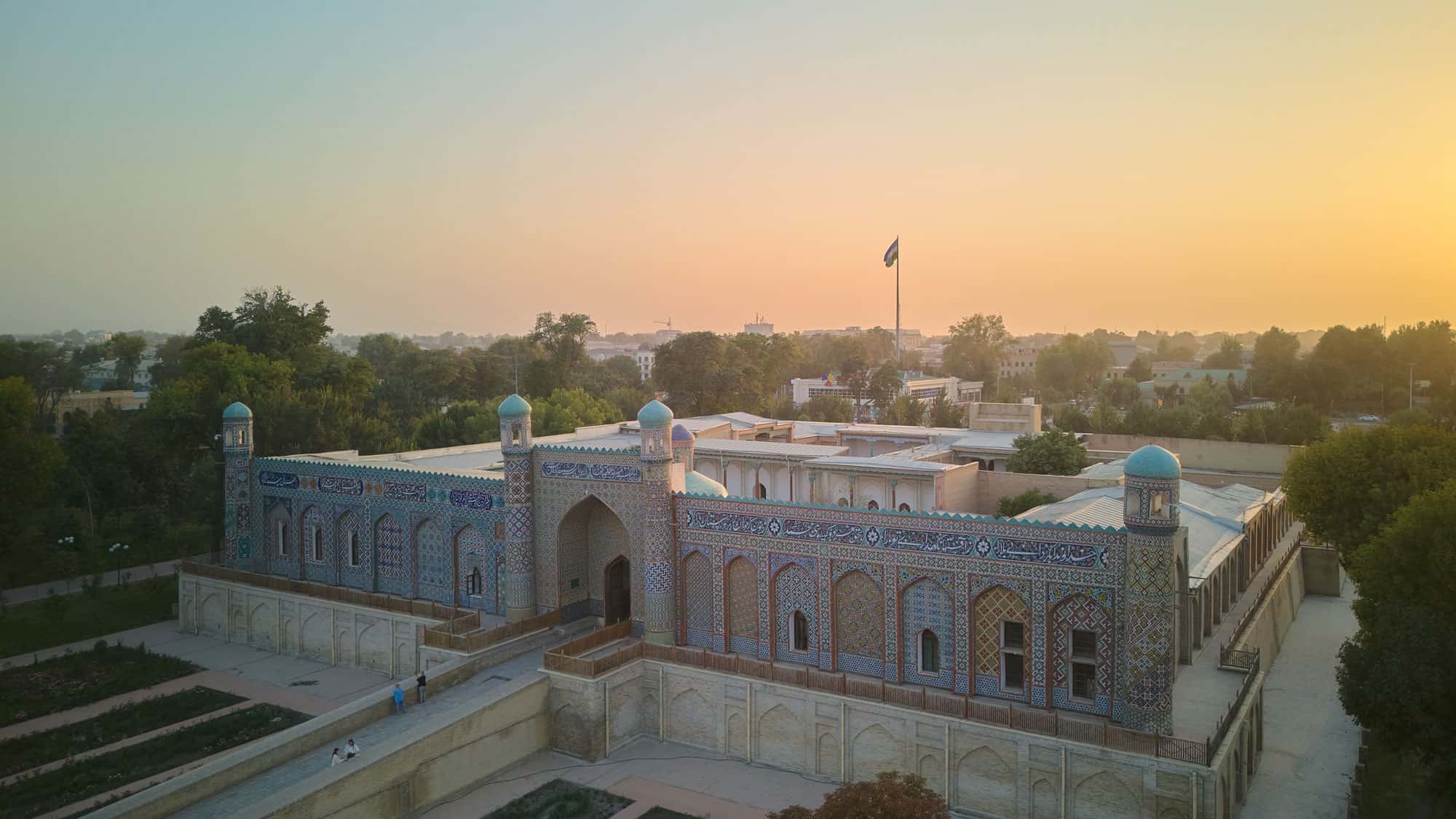
The Palace of Khudáyár Khán located in Kokand, is a beautiful architectural masterpiece, an example of the local craftsmanship and a testament to the grandeur of the Kokand Khanate. Built in 1871 by Khudáyár Khán, the last ruler of the khanate, the palace was designed to reflect his wealth and power. Known as the “Pearl of Kokand,” the palace originally had 113 rooms and covered four acres, though only 19 rooms remain today.
The palace features intricate tileworks, vibrant patterns, and traditional Islamic geometric designs. Visitors can visit the Khudáyár Khán Palace, which is now also the Kokand Regional Studies Museum. It showcases artifacts from the khanate and beyond, offering insight into the region’s history and culture.
The Khudáyár Khán Palace in Kokand is one of the most popular places to visit in Fergana Valley for good reason.
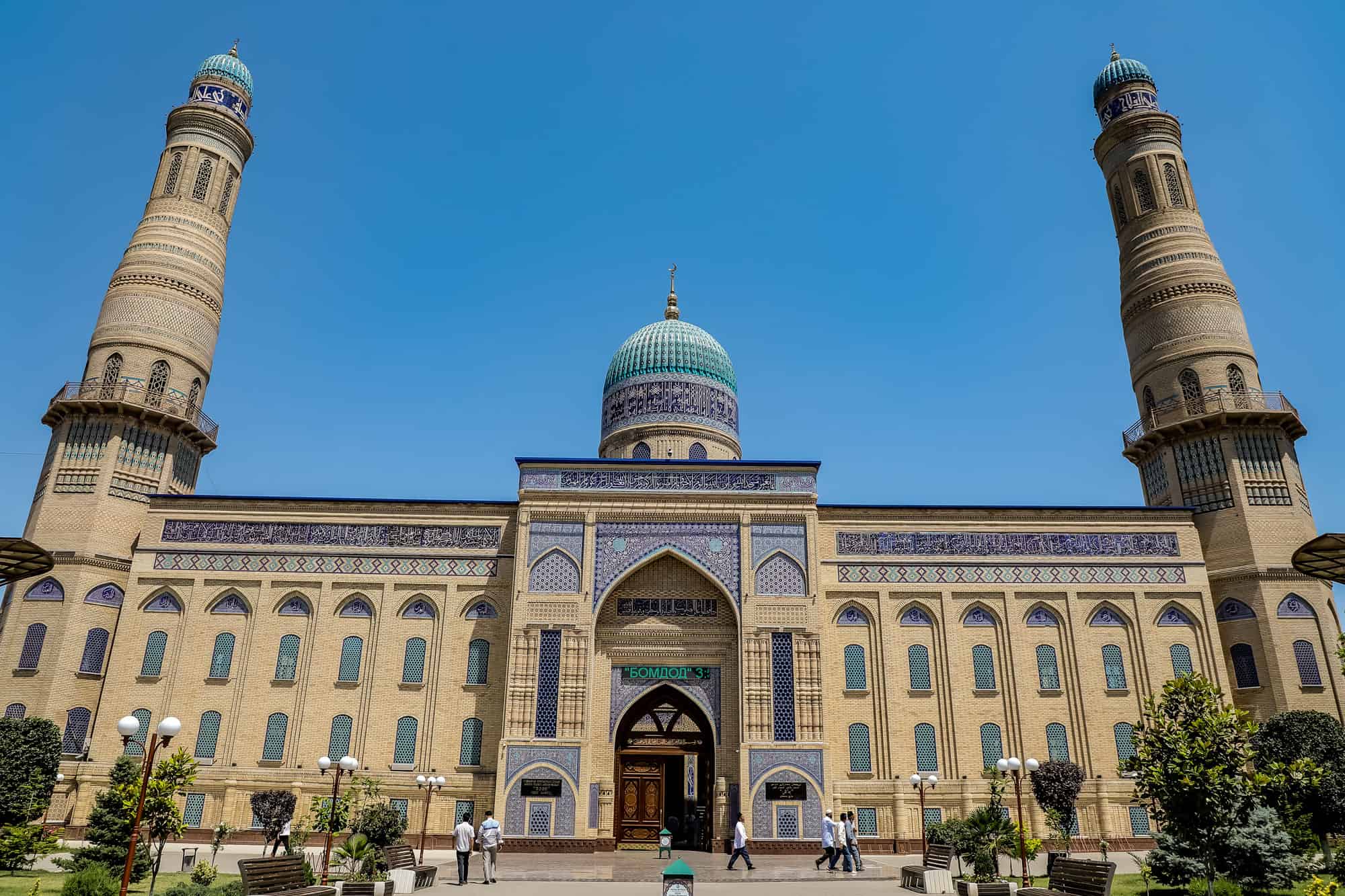
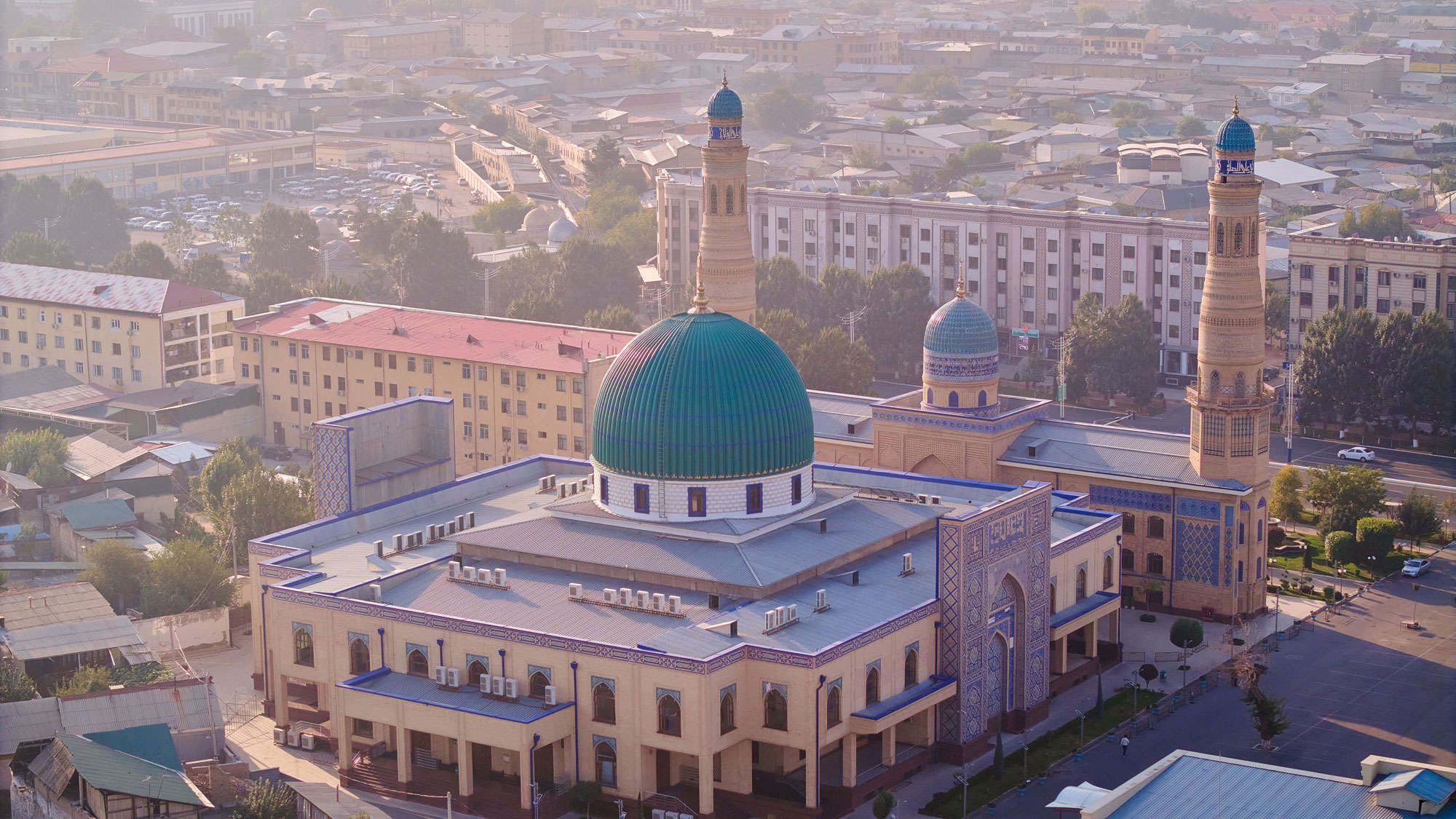
The Devonaboy Mosque and Jami Complex located in Andijan’s old town (Eski shahar) are some of the Fergana Valley’s most significant Islamic architectural sites. Built in the late 19th century, the mosque served as a central place of worship and community gathering. Its name, “Devonaboy,” reflects the name of the rich merchant who funded the building of the mosque. (Note: Be sure to ask a local about the legend behind why the mosque took so many years to build.)
The mosque is known for its design that features traditional Islamic motifs, intricate wood carvings, and colorful tilework. The 35-meter high minarets are also a prominent feature.
The nearby 19th century Jami Complex includes a madrasa (Islamic school), minaret, and khanaka (a building for spiritual gatherings) and offers visitors a glimpse into the region’s spiritual and architectural heritage. Today, the Jami Complex continues in its role of being a place of learning by housing the Museum of Literature and Art of Andijan Region so visitors can learn about the culture and history of the region.
Close by is the Registan with its historic square that once served as the vibrant center of the Andijan’s social, political, and economic life. You can find many handicraft shops and a small art museum at the Registan.

Kokand’s Jami Mosque located on Chorsu Square was built in the early 19th-century under the rule of Umar Khan. It served as the primary mosque for Friday prayers during the Kokand Khanate and today it is one of the largest mosques in the Fergana Valley. The mosque’s vast courtyard, capable of accommodating thousands of worshipers, is surrounded by 98 wooden columns, intricately carved and painted, showcasing the craftsmanship of local artisans.
A distinctive feature of the mosque it its grand 22-meter minaret and a domed prayer hall adorned with colorful tiles and Islamic motifs. Today, the Jami Mosque houses a small museum, offering insight into the religious and cultural heritage of the region.
This is another popular place to visit in Kokand — not only for the museum, but also to enjoy the tranquility of its green courtyard and gardens.
Also worth visiting in Kokand is the 19th century Kamol Kazy Madrassa to see its intricate craftsmanship and mosaic tiles.
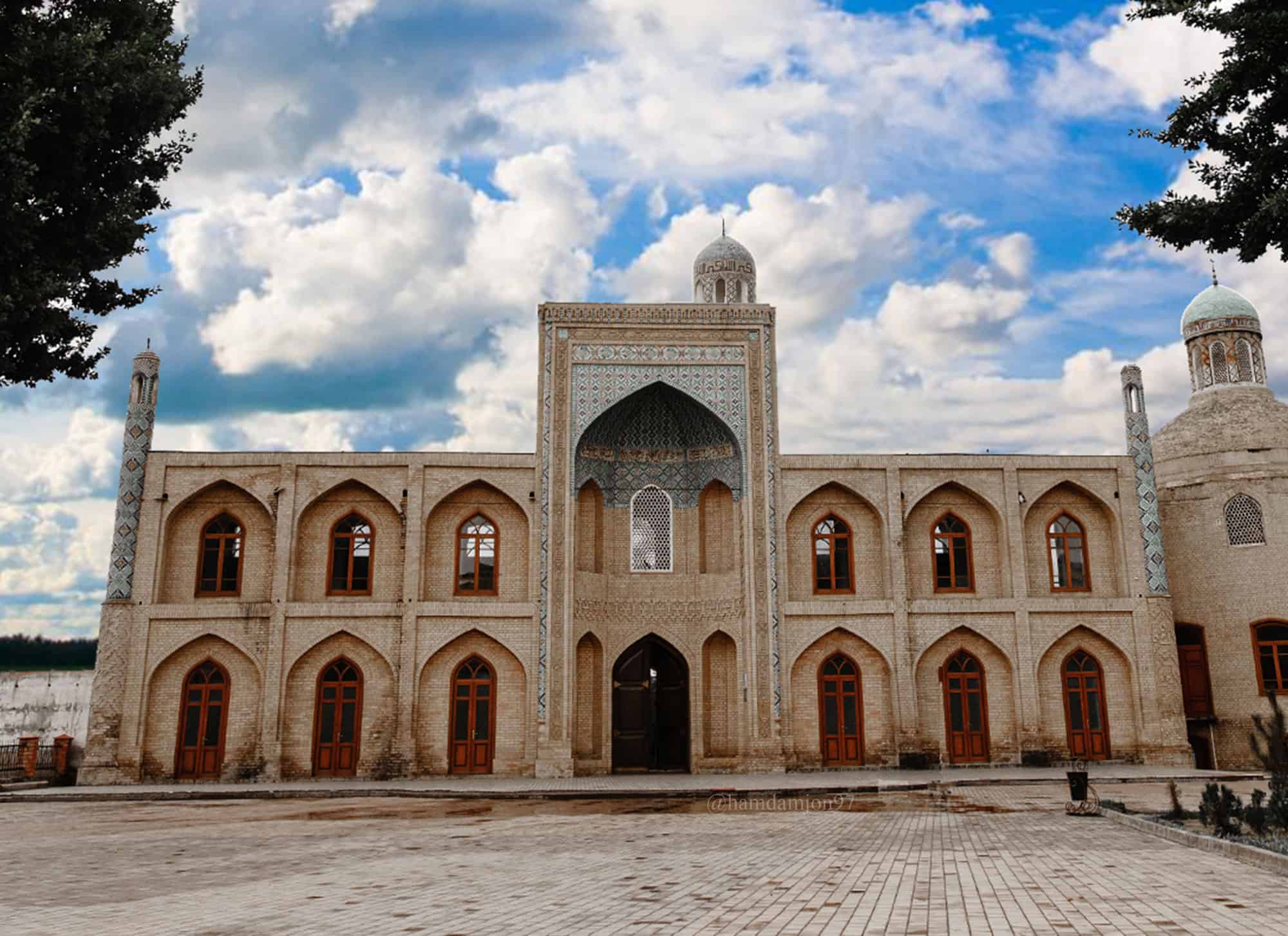
Namangan City includes several important historical and religious landmarks that reflect the region’s rich historical and religious heritage. One of the most prominent of these is the Mulla Kyrgyz Madrassa that is named after its architect Usto Kyrgyz. Built in the early 20th century, it features beautiful Islamic architecture and tranquil surroundings. (Note: The Mulla Kyrgyz Madrassa is currently closed for renovation, but it is expected to open in 2025 as a cultural and handicrafts center.)
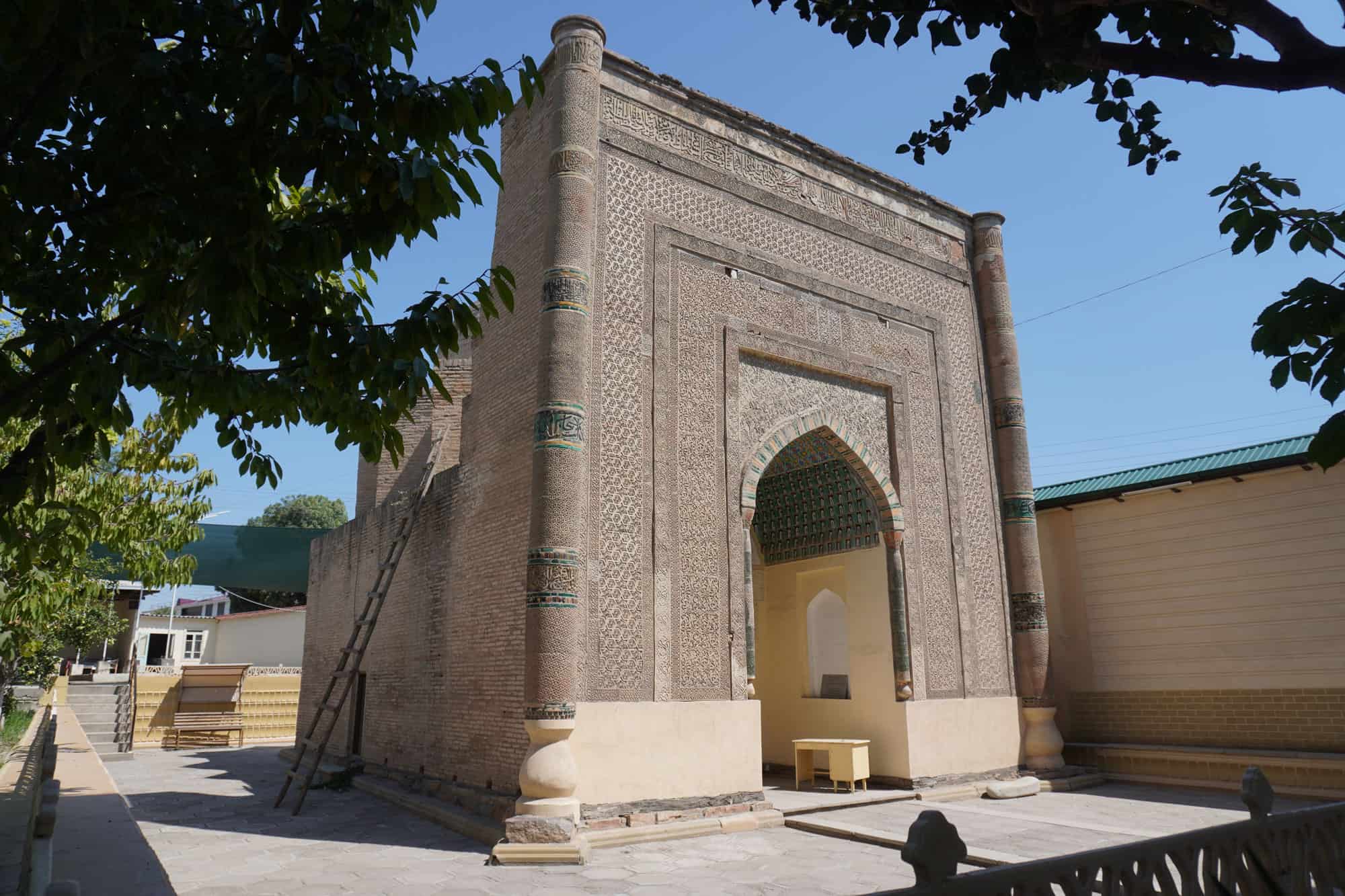
The 18th century Khoja Amin Mausoleum in Namangan is another important religious site where the holy person Amin Khoja is buried in the mausoleum. It serves as a revered place of worship and a reminder of the region’s devotion to Islamic traditions.
The Otavalihon Mosque and Art Museum (also know as Atavalikhonture Mosque) offers visitors a unique combination religious and artistic heritage. While the mosque remains an active place of worship, the art museum within showcases intricate works and artifacts that highlight the city’s artistic past.
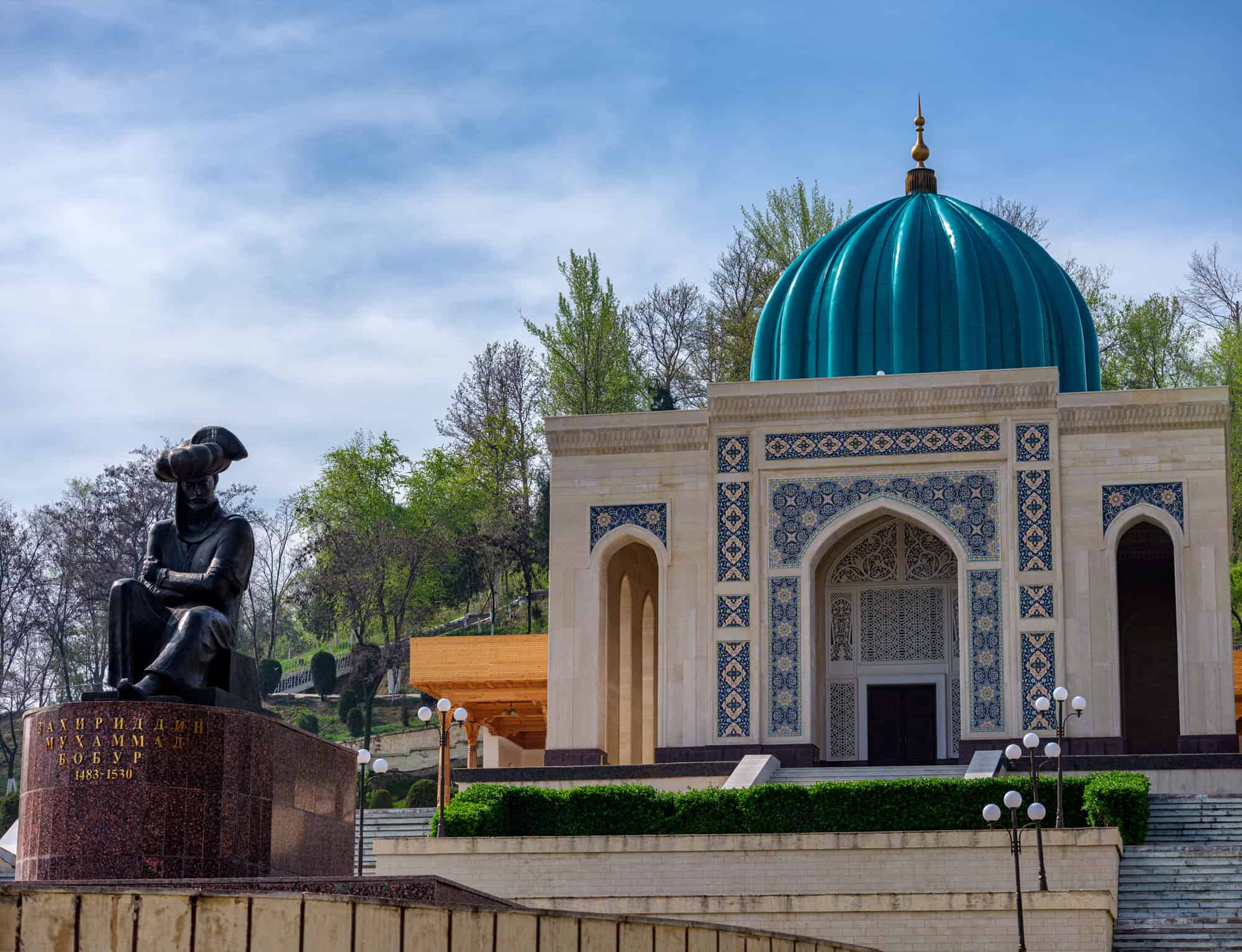
Babur Memorial Park on Bogishamol Hill is located seven kilometers from Andijan City. The park, mausoleum and museum are dedicated to Zahiriddin Muhammad Babur, the founder of the Mughal Empire in South Asia and a native of Andijan. The park honors his legacy with landscaped Mughal gardens that reflect the tradition of harmony with nature.
A beautiful mausoleum was built for Babur in 1993 as a symbolic tomb with earth brought from his actual burial place in Kabul, Afghanistan. The museum showcases artifacts and exhibits detailing Babur’s life, poetry, and contributions to world history.
In order to visit Babur Memorial Park, take the cable car to the top of Bogishamol Hill for a beautiful panoramic view of the city, park and surrounding areas.
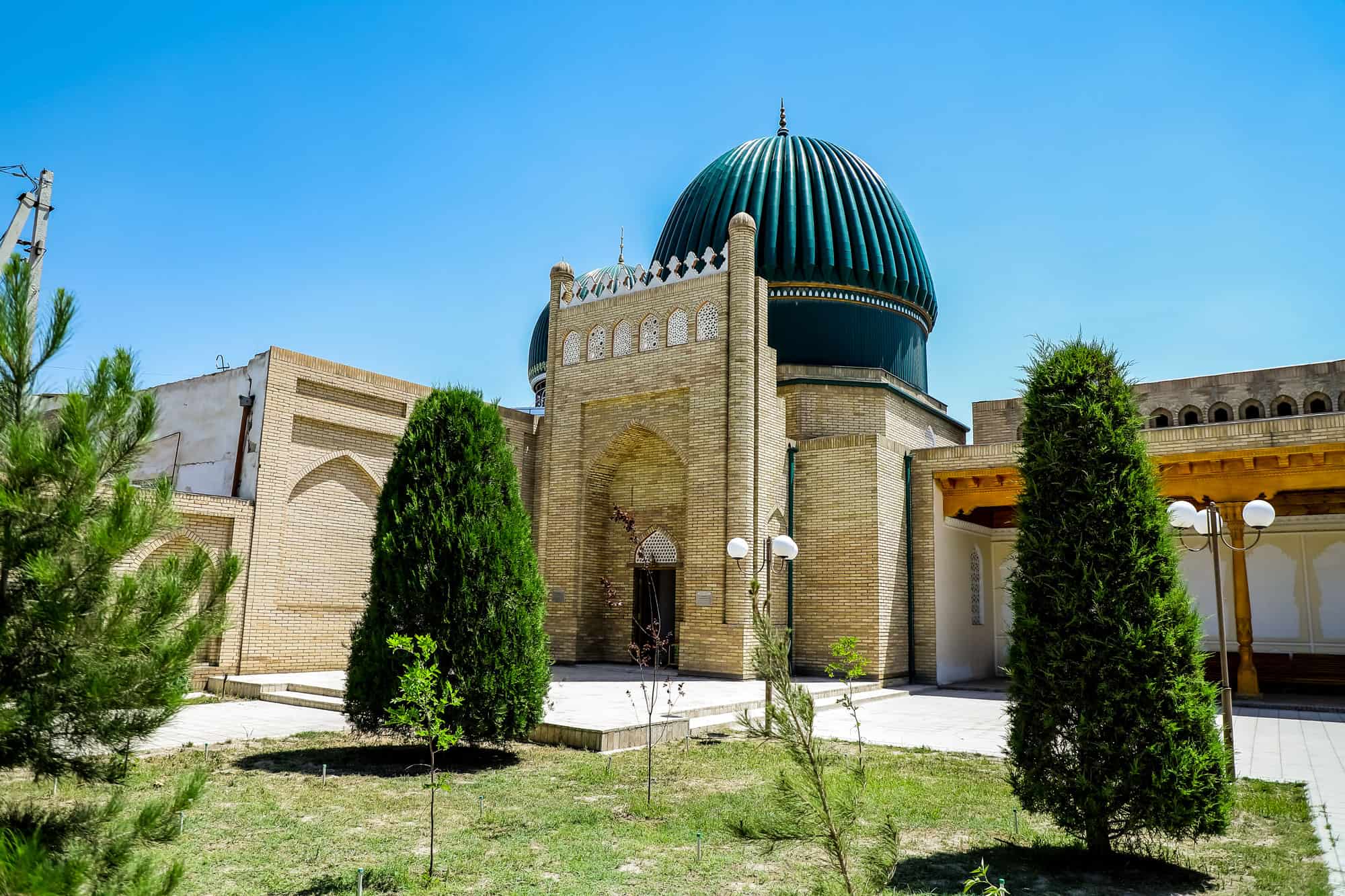
The Pir Siddiq Complex, also known as the Pigeon Mausoleum, in Margilan is a revered spiritual site steeped in history and local legend. Built in the 18th century, it is one of the few mausoleums that survived a series of earthquakes in the Fergana Valley. It is dedicated to the holy saint Pir Siddiq who once lived on this land.
The legend goes that when he was hiding from pagans in a cave, the pigeons decided to build their nests near the cave and sealed up its entrance. When the pursuers reached the cave and saw all the pigeons calmly sitting in their nests they decided that Pir Siddiq could not be hiding inside or they would be disturbed. The pagans left so it is believed that the pigeons saved the holy saint.
The site features a mausoleum, a tranquil courtyard, and a small mosque, surrounded by greenery and frequented by pilgrims seeking blessings. Visitors can also see how the flocks of pigeons are still seen as sacred, connecting the site to its legendary origins.
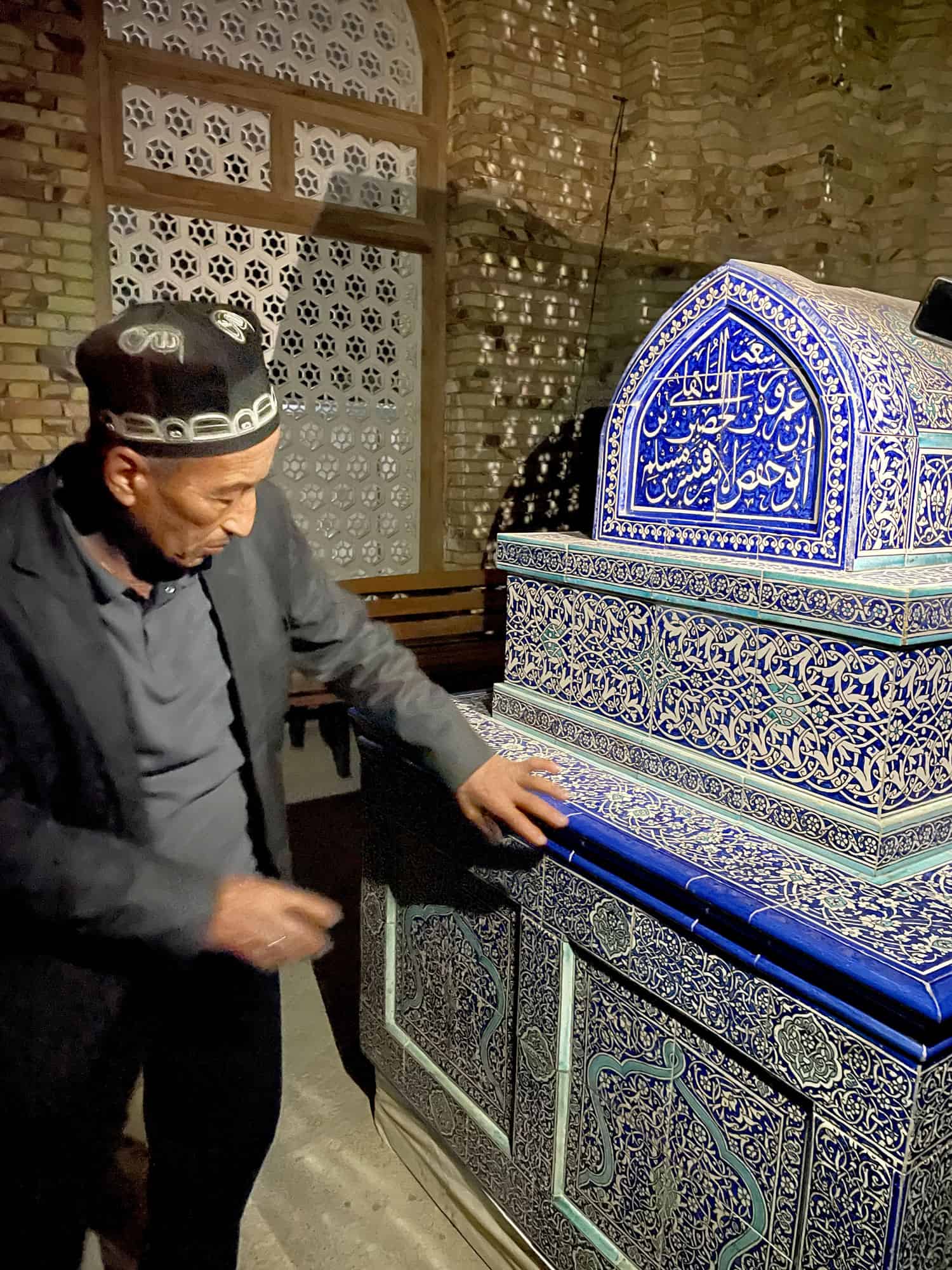
The Mausoleum of Kuteiba ibn Muslim in Andijan Region is a very important religious and pilgrimage site in Fergana Valley. It is dedicated to Kuteiba ibn Muslim, the Arab commander who introduced Islam to Fergana Valley and the whole of Central Asia in the 8th century. The mausoleum stands as a symbol of the early spread of Islam in Central Asia.
There are many legends associated with this place and Kuteiba ibn Muslim. Set in a tranquil garden, the mausoleum features beautiful Islamic architecture and craftsmanship. The water from the spring is supposed to have special powers, as do some of the ancient trees. The Mausoleum of Kuteiba ibn Muslim attracts pilgrims from all over the world who come to honor Kuteiba’s legacy and explore Fergana Valley’s deep-rooted Islamic history.
It is recommended to visit the Mausoleum of Kuteiba ibn Muslim with a local guide in order learn the rich religious and historical importance of this place.

The Jome Mosque in Kosonsoy (or Kasansay) not far from the Tajik border is a prominent historical and religious landmark. Kosonsoy is an ancient place and the town was once the capital of the Kushan Empire (1st century) and is famous today for its wood carving and craftsmanship. The original mosque was built centuries ago and it served as a key spiritual center for the local community during the Timurid and later Kokand Khanate periods. One of the original gates from the 13th century still exists.
In recent years a new mosque has been built next to the historical mosque that is one of the largest in Central Asia. The mosque is known for featuring traditional Islamic motifs, intricate wood carvings, and a serene courtyard.
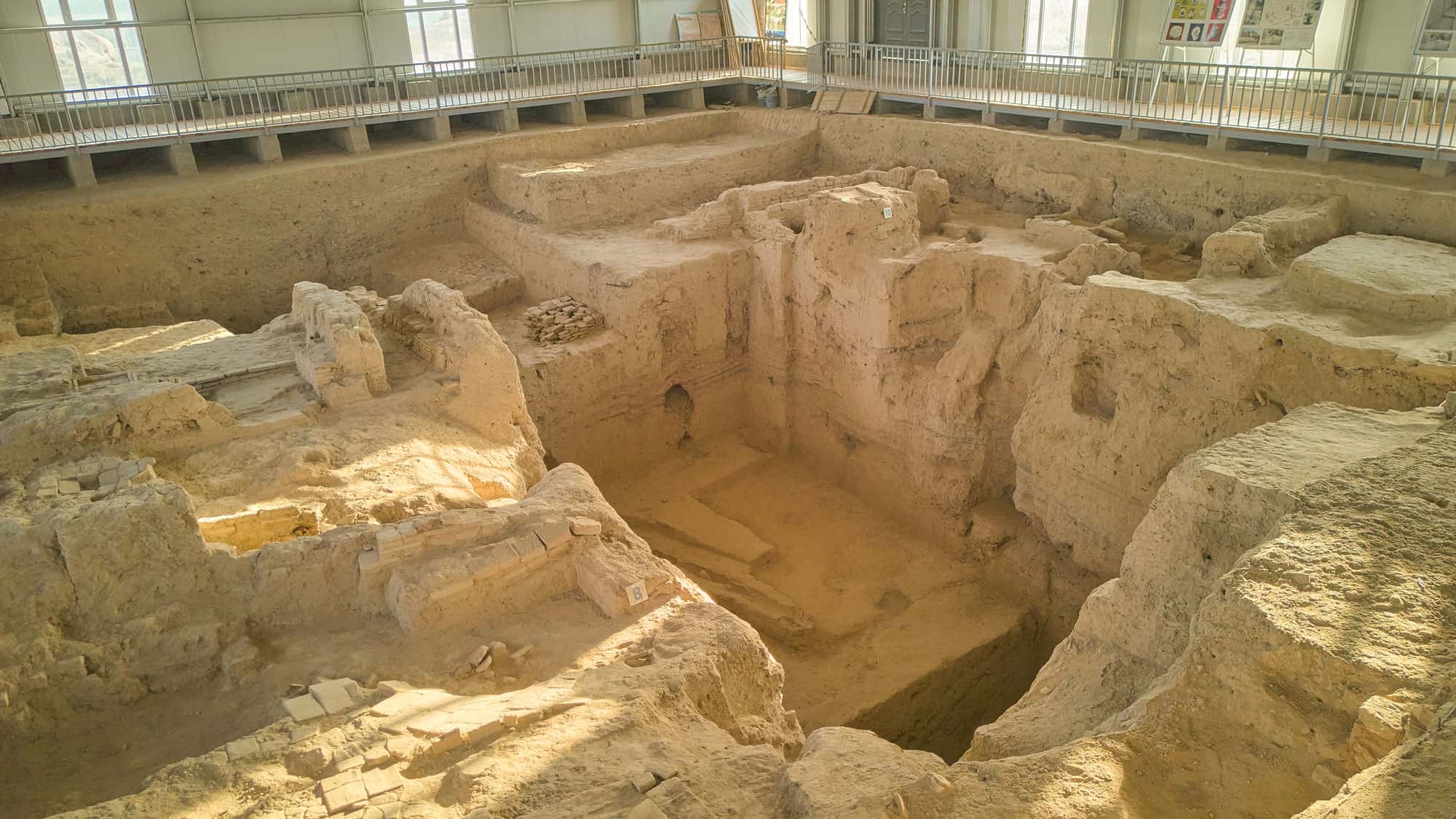
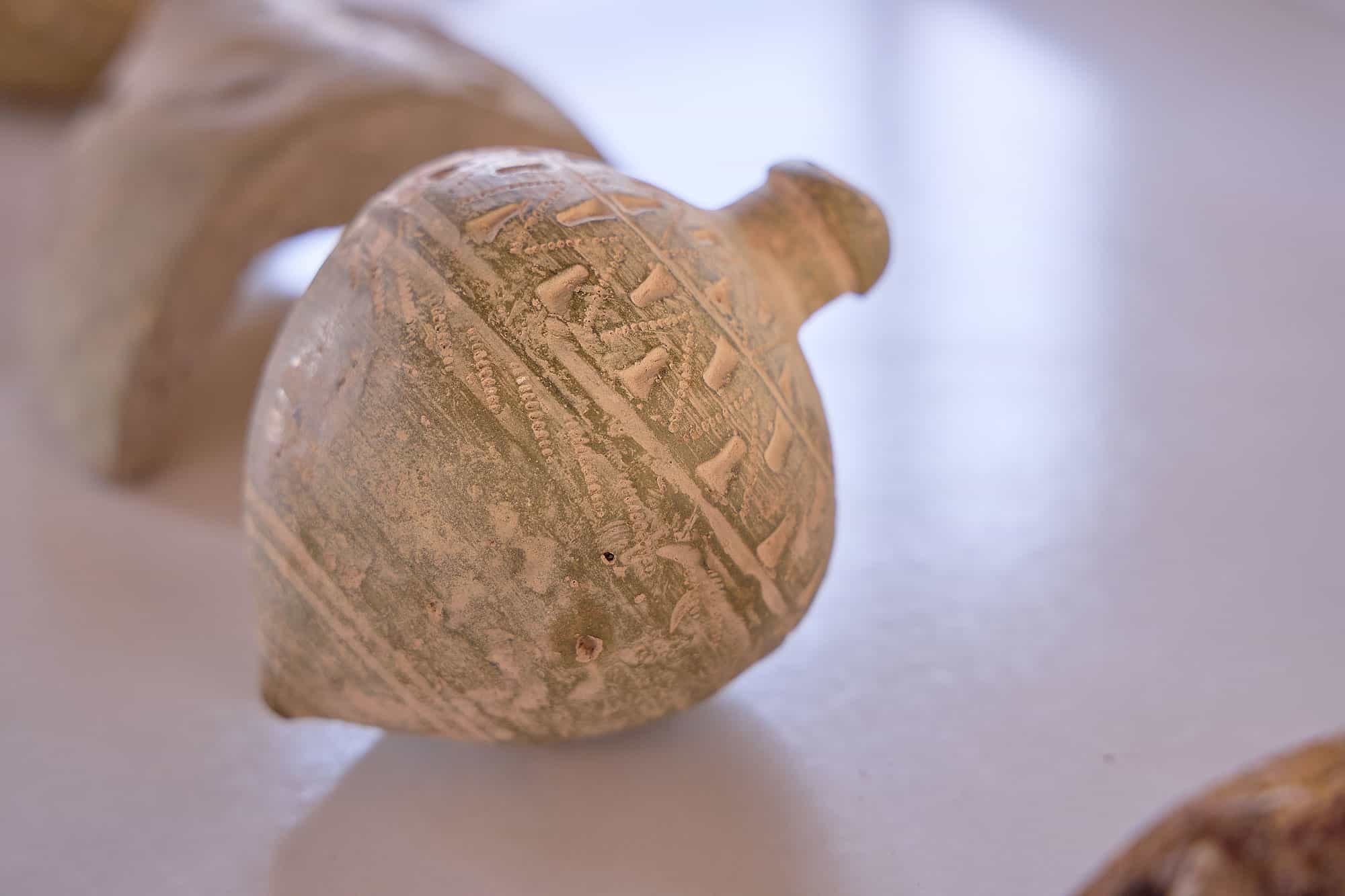
Aksikent was once the ancient capital of the Fergana Valley. Located not far from present day Namangan City, Aksikent dates back to the 3rd century BC. It became a powerful city for trade and culture during the Silk Road and reached its peak in the 10th – 13th centuries. The city included a citadel, a main urban part (shahristan), and an area with handicraft centers (rabada). It was a well-developed and fortified city with an impressive water infrastructure and engineering.
Aksikent was partially destroyed by the Mongols in the 13th century, but it continued to be inhabited, including by Umar-Sheikh Mirza (Babur’s father) in the 15th century. A powerful earthquake destroyed the city in 1620 and people moved to nearby Namangan city.
The Aksikent Archeological Site is around 45 minutes from Namangan City and includes a covered museum with an excavated site so you can get a glimpse into the ancient homes and lives. It is an active place for excavations today with new discoveries still happening so be sure to ask during your visit whether anything has been discovered recently.
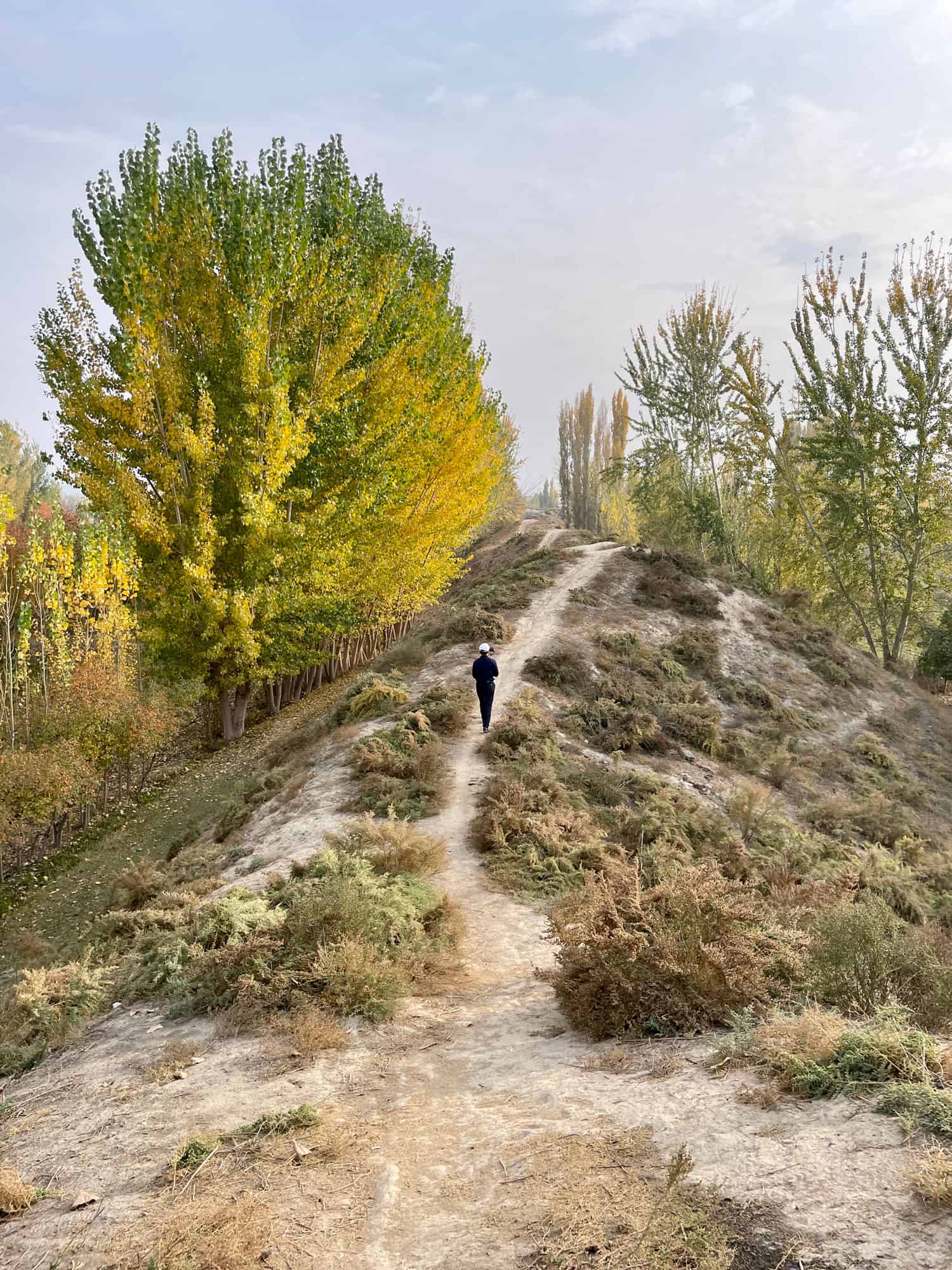
The Mingtepa Archaeological Site located around 30 km from Andijan City near the town of Marhamat is a significant remnant of the ancient Davan or Dayuan State. Dating back to the 3rd century BC, this is believed to be the remains of the ancient city of Ershi, the capital of Dayuan. Later it became known as Mingtepa.
Mingtepa was renowned for its fortifications with 6-meter thick walls and a moat. Legend is that no armies could break through the fortifications. The city played a crucial role as a trade hub along the Silk Road where it served as a place for the exchange of goods, knowelge and cultures.
Today, Mingtepa Archeological Site features extensive ruins, including remnants of fortifications, residential areas, and evidence of advanced urban planning. Although archaeologists have uncovered artifacts such as coins, ceramics and tools, there is still so much more to be escavated to learn about the Davan State and subsequent rulers.
Not far from the archeological site is a small museum with a model of what Mingtepa must have looked like thousands of years ago with examples of the ceramics and other tools found during excavations.
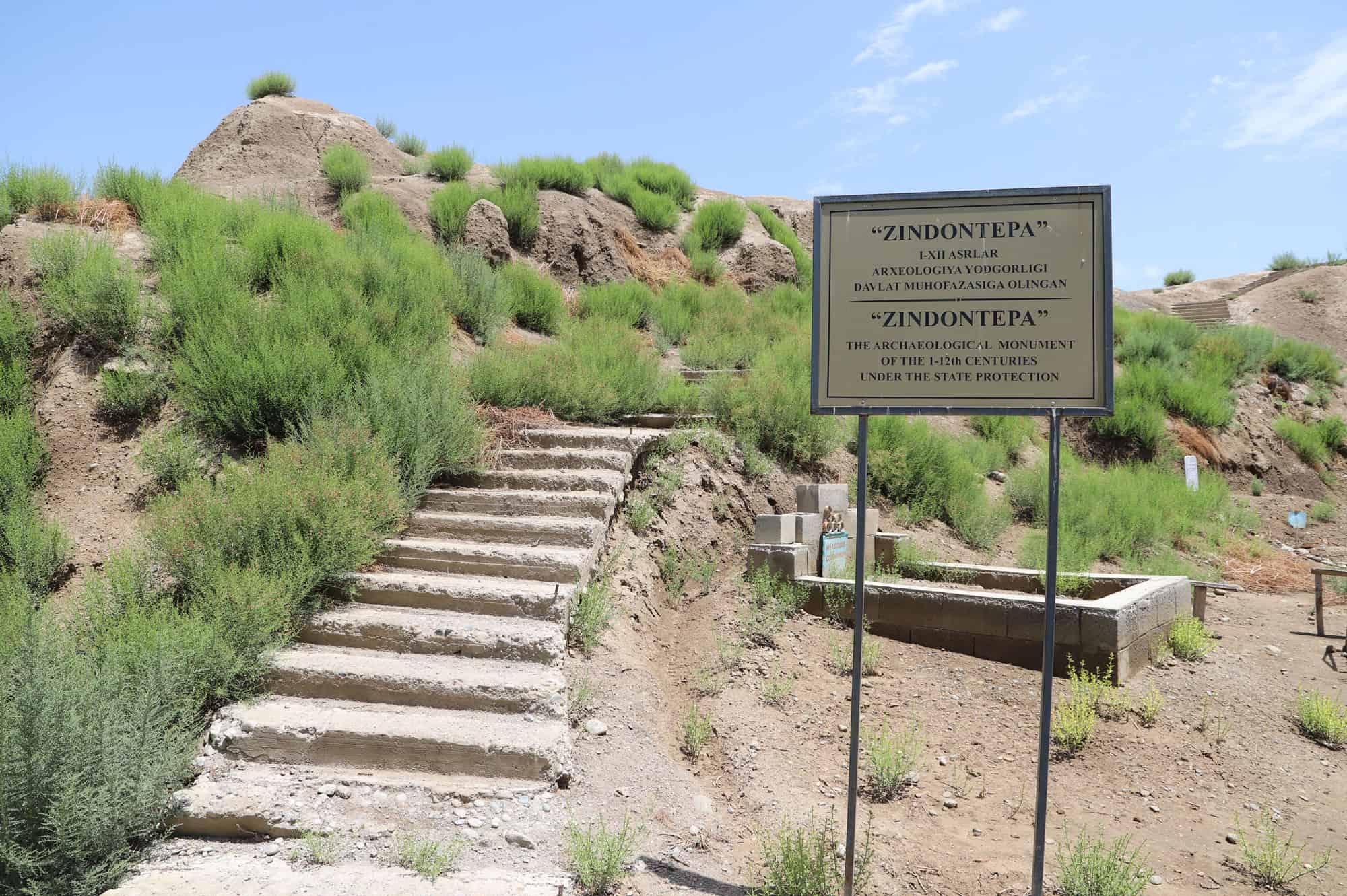
The Quva (Kuva) Archeological Site or Zindontepa shows the remains of the ancient city that originated in the 3rd-4th centuries BC and became an important city along the Silk Road route connecting Kashgar in China in the east and the west. A Buddhist temple and statue from the 7th to 8th century shows that the city played a role in the spread of Buddhism. Quva was renowned for its craftsmanship, particularly in glassmaking and ceramics. It was destroyed in the 13th century by a Mongul invasion.
Today, you can visit the archeological site in modern day Quva or Kuva, a bustling city surrounded by fields growing pomegranates and grapes. Close to the Quva Archeological Site is a memorial complex dedicated to Ahmed Al-Fergani, a native of Quva who was a famous medieval astronomer, mathematician and scholar.