

Welcome to the Fergana Valley in Uzbekistan! Explore this unique cultural destination for off-the-beaten-path travel experiences along the Silk Road.
Located between the Tian Shan and Pamir-Alay Mountain ranges, the Fergana Valley in Central Asia was a strategic location along the Silk Road with a long tradition of welcoming guests to its fertile, green valley. Travellers today can still experience this feeling of genuine warmth and hospitality of the people and traditional culture in this little-known Silk Road destination.
We share just a few of the many reasons to visit and things to do in Uzbekistan’s Fergana Valley. There are many unique travel experiences that await you, including opportunities to explore its long and deep history, traditional handicrafts, rich cuisine, natural beauty, and bustling markets. We have highlighted different places to visit, local experiences and things to do in the Fergana, Andijan and Namangan Regions that make up the Fergana Valley in Uzbekistan.
Check out our CTN Recommended Routes that combine many of these places to visit and travel experiences into one journey through Fergana Valley.
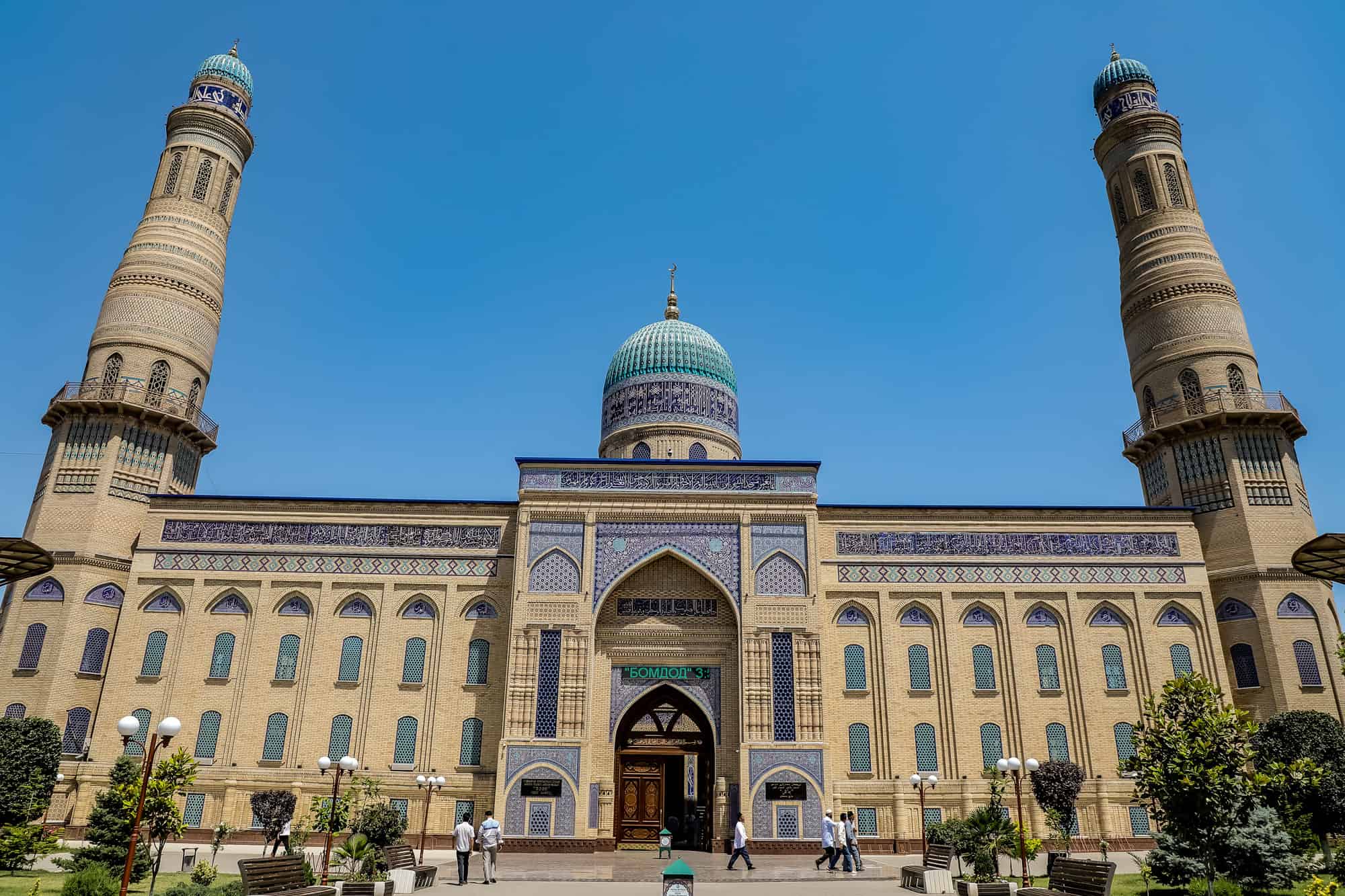
The history of the Fergana Valley goes back thousands of years, from the ancient Dayuan cities to the rise of caravan stops along the Silk Road to the powerful Kokand Khanate in the 18th-19th centuries. Everywhere in Fergana Valley has a story to tell.
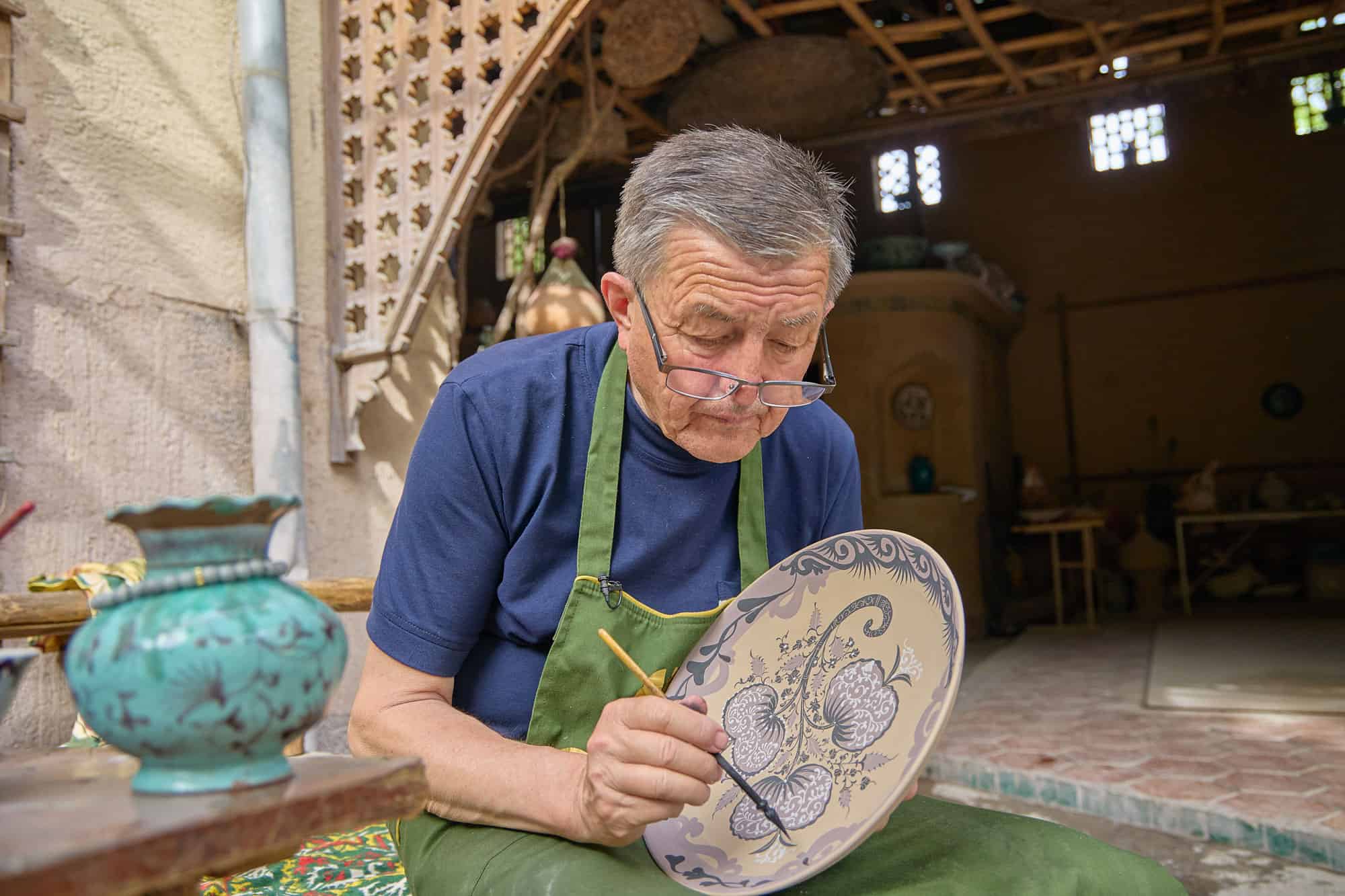
Uzbekistan is a land of handicrafts, and the Fergana Valley is the source for so much of this rich cultural heritage, including ikat fabrics, ceramics, embroidery, knifemaking, traditional dolls, and more. A strong community of artisans and handicraft masters are conserving these traditional techniques for future generations and they enjoy sharing their story and craft with travelers.

Fergana Valley’s cuisine is famous throughout the region with a richness of flavor thanks to its fertile soils, climate and strong agricultural tradition. Traditional Uzbek foods like plov, somsa, manti and non (bread) each has its own local specialty and flavor, thanks to local recipes and the freshness of ingredients. We challenge you to find sweeter melons, pomegranates or grapes!
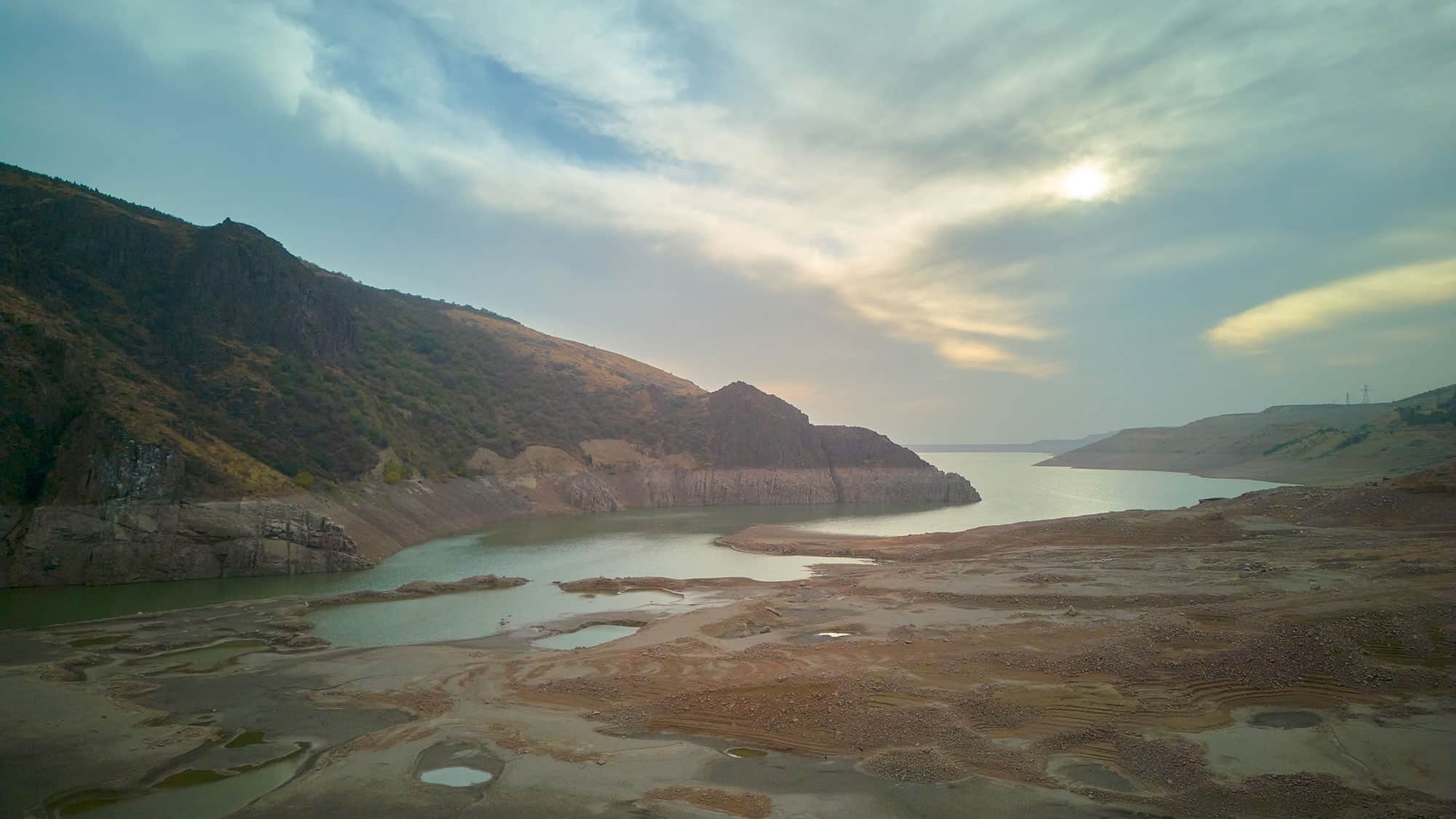
Fergana Valley’s location between the Tian Shan and Alay mountains and Naryn and Kara Dara Rivers provides many opportunities to relax in nature. Choose a remote location like the Arashan Lakes for a real outdoor adventure or a nearby village in the foothills of the mountains for a quick getaway.
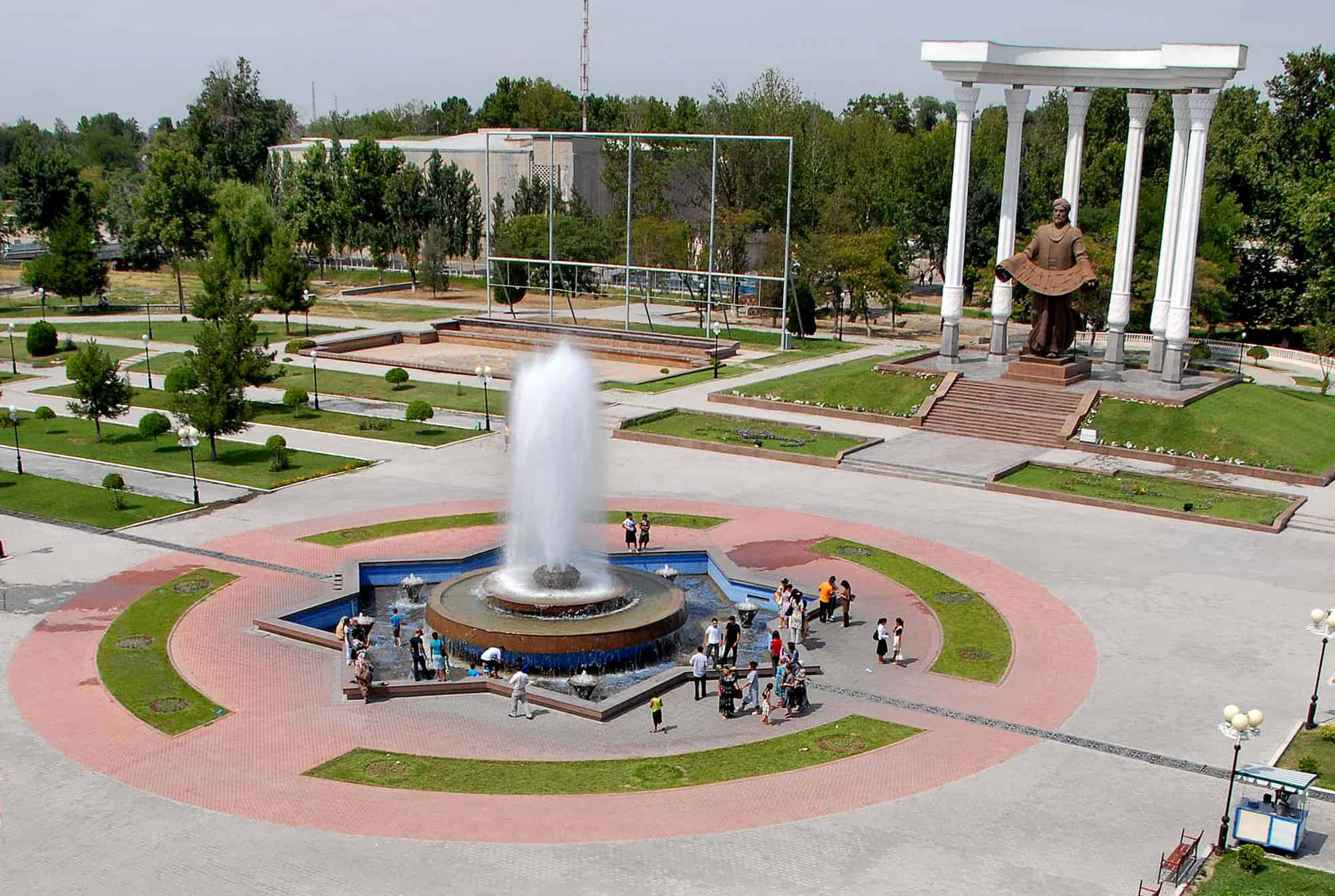
Fergana Valley’s regional capital cities of Fergana, Namangan and Andijan are great places to explore in and off themselves with their large boulevards, expansive parks, museums and more. While these are big, modern cities there is still a warm and hospitable feel to them that make visitors feel welcome. Don’t be surprised if you are invited for tea or ice cream in a park or given some local fruit to try from the market.
A minimum of 3-4 days covers Fergana Valleys highlights: Kokand’s palaces and mosques, Margilan’s silk factories, Rishtan’s pottery workshops, Andijan and Namangan cities. Five to seven days allows a more relaxed pace with time for exploring Andijan and Namangan regions with village homestays and deeper cultural immersion or an adventure in the mountains. We recommend you take a look at our CTN Recommended Routes for 3-7 day themed itineraries focused on cultural heritage, artisans and handicrafts and cuisine.
Fergana Valley’s compact size makes day trips feasible from one base, but this does mean spending several hours a day in transit. So consider staying in different places. Travelers interested in handicrafts, photography, or cultural experiences often stay 7-10 days. A rushed itinerary reduces opportunities for spontaneous local interactions, which is often the most memorable experiences travelers have in the Fergana Valley.
It’s easy to combine the Fergana Valley with an Uzbekistan itinerary that includes Tashkent, Samarkand, and Bukhara for a comprehensive 10-14 day Uzbekistan trip.
Fergana Valley cuisine is famous throughout Uzbekistan for its fresh produce, grilled meats, and regional variations on Uzbek classics. Try plov (rice and meat mixture), shashlik (grilled skewered meat), laghman (hand-pulled noodles), and manti (dumplings). As Fergana Valley is an agricultural center, the local fruits and vegetables, especially tomatoes, melons, grapes and pomegranates, are exceptionally fresh and flavorful. Fresh non (flatbread) accompanies every meal and is an important part of Uzbek culture. Vegetarian food is not yet common, but vegetarians and vegan travelers can enjoy salads, cooked vegetables, and vegetable-stuffed samsa or manti.
We recommend that you eat at local chaikhanas (teahouses) for authentic, inexpensive meals. Bazaar or market food stalls serve prepared foods, but be sure it is still fresh and hot. You will also find many restaurants offering traditional Uzbek food as well as international favorites like hamburgers, pizza and pasta. Street food like samsa (savory pastries) is safe when fresh and hot. Many places, especially outside of the big cities, don’t serve alcohol.
Some of the highlights of Fergana Valley include Kokand’s Khudoyar Khan Palace that showcases stunning 19th-century tilework and royal rooms, Andijan’s Devanaboy Mosque and Registan, Margilan’s handicraft centers showcasing handmade silk production and ikat fabrics, Rishtan’s pottery workshops reveal centuries-old ceramic techniques, and Namangan features impressive mosques and parks. To learn about the rich and deep history of the region, visit Aksikent archeological site outside of Namangan City or Mingtepa in Andijan Region.
Also highly recommended is a visit to one of Fergana Valley’s bustling markets like Kumtepa Bazaar in Margilan or Namangan’s Chorsu Bazzar for a view to authentic local life and textiles. Beyond and attractions, one of the most memorable things to do in Fergana Valley is meeting artisans and observing traditional crafts—silk weaving, pottery, woodcarving, knife-making. Many of our CTN Artisan Members offer tours of their workshops and an opportunity to shop directly from the artisan.
As Uzbekistan’s heartland of handicrafts, you’ll have no shortage of artistic souvenirs to choose from in Fergana Valley. Our suggestion is to buy directly from the artisan workshops or at handicraft shops that feature local artists. Our CTN Artisan Members are a good place to start to find local artisans and their studio workshops, as well as stores that support local artisans. The Craft House in Fergana City not only displays handicrafts from local artisans, but you also see them at work or even book a master class to learn how to do it yourself. Silk Granat in Namangan City offers something similar.
A few recommended Fergana Valley souvenirs include:
Hospitality is very important in Fergana Valley. This means that refusing tea or food can offend your local hosts. Remove shoes when entering homes and sitting on tapchans (traditional tables or raised platforms). Greet elders first and show respect. Use your right hand for eating and giving/receiving items.
You’ll find that most people are happy to be in your photos, but always ask permission before photographing people. Learn basic Uzbek words and greetings as this will very much appreciated everywhere you go.
Fergana Valley offers many different options to visit handicraft workshops and meet the artisans, including sometimes with the possibility of taking a master class to learn from them directly. Many of our CTN Artisan Members offer this option, in addition to being able to see their artistic studio and shop. When you buy direct from the artisan, you are not only supporting their family, but also the passing on of traditional handicrafts from one generation to the next.
A few recommended handicraft workshops or stores include the following. Be sure to get in touch or book in advance if you want to do a tour or master class. Our CTN Tour Guides or Tour Operators can help you with organizing visits to handicraft workshops.
Both big cities and smaller towns will have bustling bazaars or fresh markets to explore. Kumtepa Bazaar in Margilan is Fergana Valley’s largest market with sections for produce, textiles, spices, and even livestock. The silk section displays beautiful ikat fabrics and traditional clothing. It is most active on Thursdays and Sundays.
Andijan’s Old Town Market with its nearby Craftsman Alley is another great place to wander and engage with locals to learn about handicrafts, spices, types of breads, vegetables and more. Chorsu Bazaar in Namangan is another bustling fresh market for authentic local experiences. Kokand’s and Fergana City’s central bazaars offer excellent dried fruits, nuts, and handicrafts.
Beyond shopping, local bazaars offer cultural immersion and an opportunity to engage with local people, sample fresh seasonal fruits and tandoor-cooked breads. They are fun places for photography with all the colors and activity, but be sure to ask people in advance about taking their photos.
While formal cooking classes don’t exist, it is possible to do a cooking class and have an authentic culinary experience at homestays and guesthouses in Fergana Valley. Some host families offer informal lessons teaching plov, laghman, manti, or tandoor bread-making. These personal experiences often become the highlight of someone’s trip, in addition to being delicious.
Nargiza’s Traditional Guest House in Fergana City offers the option to learn how to cook traditional Uzbek dishes and breads in her family’s courtyard and house. You can also ask tour operators arrange home visits for cooking demonstrations and meals. If you have a local guides, be sure to ask him or her to go by the local bazaar or fresh market to explain ingredients, seasonal specialties, and traditions while sampling produce, breads and street foods.
Our CTN Culinary Journey Recommended Route highlights the different food specialies and experiences that you can have in different places throughout Fergana Valley.
Fergana Valley is also quite well known for its natural beauty and outdoor activities. The Chatkal Mountains in northern Fergana Valley offer hiking through walnut forests and villages. In fact, we have a two recommended two-day itineraries for the Chatkal Mountains. Day trips to areas near the Kyrgyz border provide scenic landscapes and cooler summer temperatures. The valley floor features beautiful agricultural landscapes with orchards with cycling or walking routes between towns or into the fields. Fergana Valley is especially colorful and photogenic during spring blossoms or autumn colors.
Fergana Valley has a long and rich history going back thousands of years and as an important stop along the Silk Road, as well as it played an important role in Islam’s spread in Central Asia. Kokand is one of the most popular places to visit in Fergana Valley as the Khudoyar Khan Palace showcases 19th-century architecture with seven courtyards and colorful tilework made from Rishtan potters and the Jami Mosque features beautiful blue-tiled domes and intricately carved and painted wooden ceilings. Andijan’s Devonaboy Mosque and Jami Madrasah also honor Islamic scholarly tradition. Most religious sites allow visitors outside prayer times. Dress modestly, remove shoes when required, and ask permission for photos. Women should wear a headscarf when entering a religious building, but many offer spare headscarves at the entrance.
For archeological sites we recommend visiting Aksikent in Namangan Region and Mingtepa in Andijan Region. Both were powerful cities along the Silk Road, and each has a fascinating history.
Most of the main cultural heritage, handicrafts and historical sites can be visited as a day trip within Fergana Valley. However, there are also options for day trips into nature that go beyond these main attractions. Small Chatkal mountain villages provide hiking and rural experiences. Khanabad in Andijan region offers the same natural retreat with sanatorium options. Most day trips outside of the bigger towns and cities require a private driver or organized tour.
Yes, you have several options to see silk production in Fergana Valley, one of its unique signature experiences. Yodgorlik Silk Factory in Margilan offers comprehensive tours showing silkworm cultivation, cocoon boiling, thread spinning, natural dyeing, and ikat pattern creation on traditional looms. Tours run throughout the day and it is possible to do most days without advance booking, but sometimes foreign language tours need to be booked in advance.
The Margilan Crafts Development Center also can offer a tour and master class, but this needs to be booked in advance. Gold Silk is Margilan’s biggest production and retail center for ikat fabrics, carpets and other handicrafts, and it is possible to book a tour to see the weaving and production areas upstairs from the shop.
People in Fergana Valley do love local festivals and celebrations! Nowruz/Navruz (March 20 or 21) marks Persian New Year with traditional music, dancing, horse games, special foods like sumalak, and community gatherings. You’ll find celebrations and public events in every city and town during this time. There are also regular handicrafts festivals in Margilan, Kokand, Rishtan and other cities. Late summer melon festivals honor famous regional melons with tastings and competitions. Religious holidays like Eid involve family gatherings and special foods. Uzbekistan Independence Day (September 1) features parades and concerts. Namangan City hosts quite a few annual festivals like the month-long International Flower Festival that takes place from the end of May to June and the Honey Festival at the end of October.
Local weddings are big affairs and sometimes occur in public spaces with traditional music and dancing so it can be fun to observe from a distance. You may even be asked to join in. Ask local guides or hotels about events happening during your visit.
The major cities of Fergana, Andijan and Namangan in Fergana Valley each has museums providing valuable historical and cultural context. Fergana Regional Studies Museum in Fergana City covers archaeology, ethnography, and natural history with exhibits on Silk Road trade, traditional clothing, and musical instruments. Kokand’s museum within Khudoyar Khan Palace displays royal artifacts and manuscripts. Andijan Regional Museum emphasizes connections to Babur and the Mughal Empire founder.
Most museums have limited English signage so if you are able to hire a local guide that will enhance your understanding significantly.
Traditional performances outside of events and festivals require planning as there are no music or dance venues with performances each night. Some restaurants and hotels arrange evening cultural programs with music, dancing, and textile fashion shows with advance notice. Tour operators can arrange for private performances at hotels, homes or cultural centers.
Weddings and festivals provide authentic opportunities to see traditional music and dancing with doira drums, dutar instruments, and energetic dancing. Some guesthouses arrange impromptu music evenings if guests express interest. While less organized than Samarkand or Bukhara, authentic music experiences are possible in Fergana Valley with flexibility and local connections.


